





Finding the best painters in Hollywood, FL means checking licensing, prep work, paint systems and quote clarity before a crew ever shows up. Here's how to vet a contractor so the job holds up against Hollywood's humidity, salt air and storms.
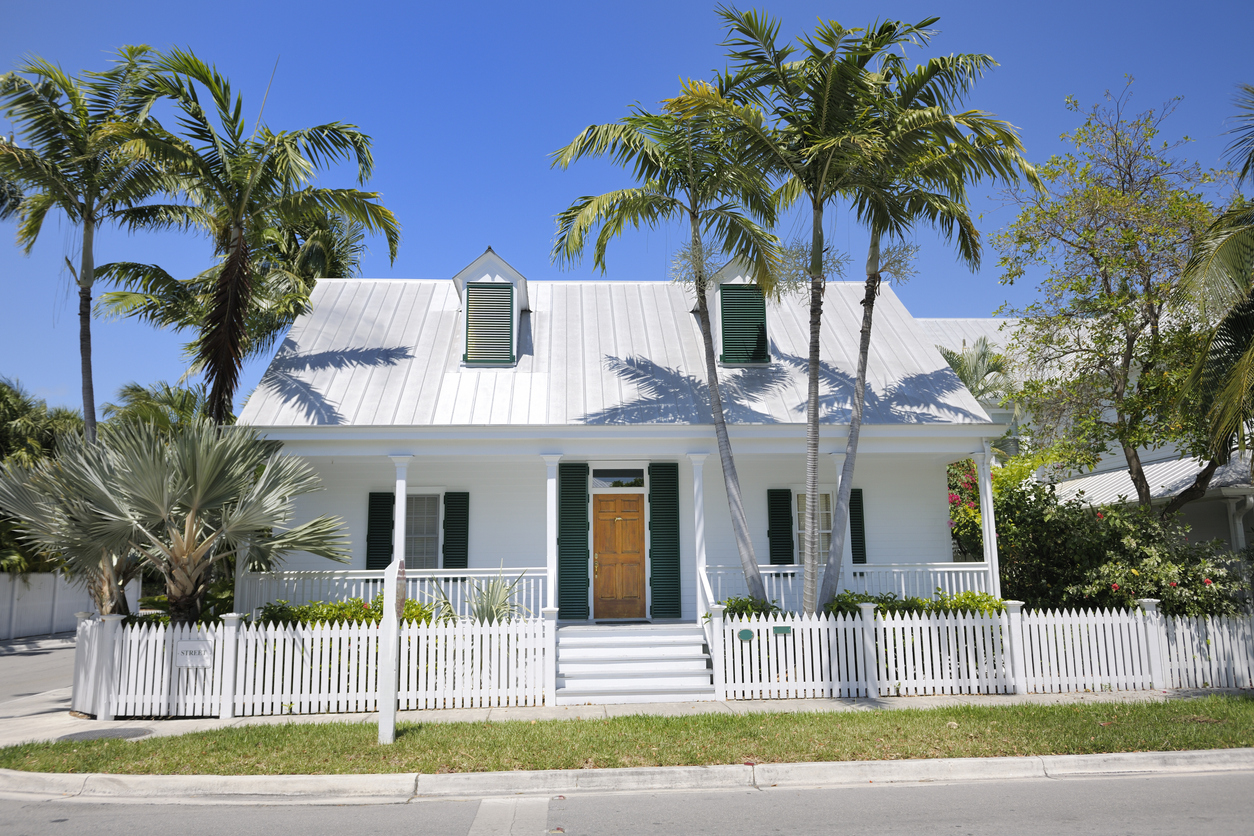
The best painters in Hollywood, FL are the ones who can prove it before they start: licensed and insured, specific about how they prep stucco and old plaster for humidity and salt air, clear about the paint system they're using, and willing to put the scope in writing. Hollywood's mix of 1920s and 1940s houses, mid-century blocks, and beach-adjacent condos means a contractor who handles one well doesn't automatically handle the others. Checking these points before you sign protects you more than any sales pitch.
Is the Contractor Actually Licensed and Insured?
Ask to see current license and insurance documentation before anyone touches your walls, not after. A contractor who hesitates or says they'll email it later is giving you an answer. Insurance matters for a reason beyond paperwork: if a ladder damages a window or a crew member is hurt on your property, you want that risk covered by the contractor's policy, not your homeowner's policy. PaintPro South Florida describes its team as licensed and insured, and that's a baseline question worth asking of anyone you're comparing, not just one company.
How Do They Prep for Hollywood's Climate?
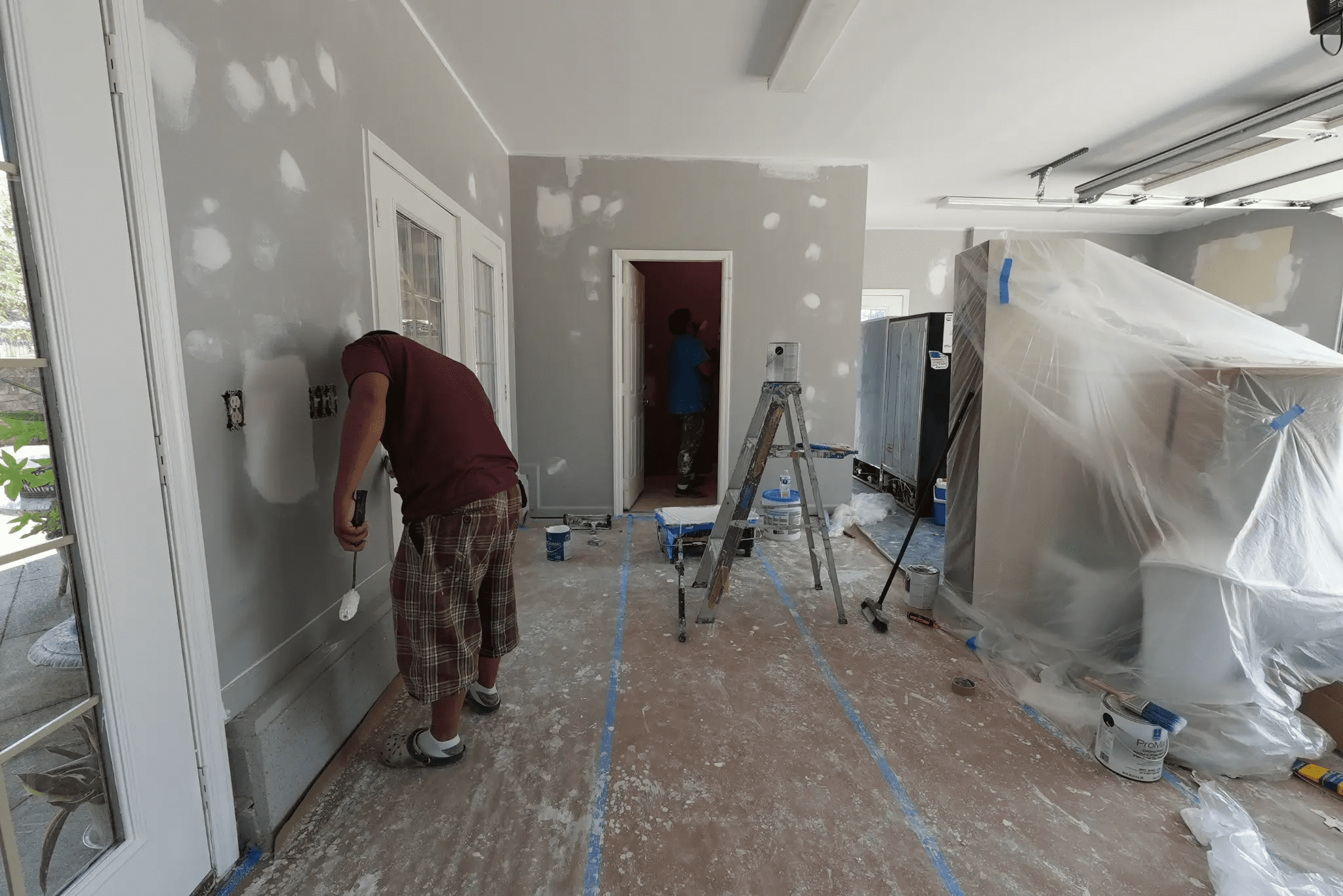
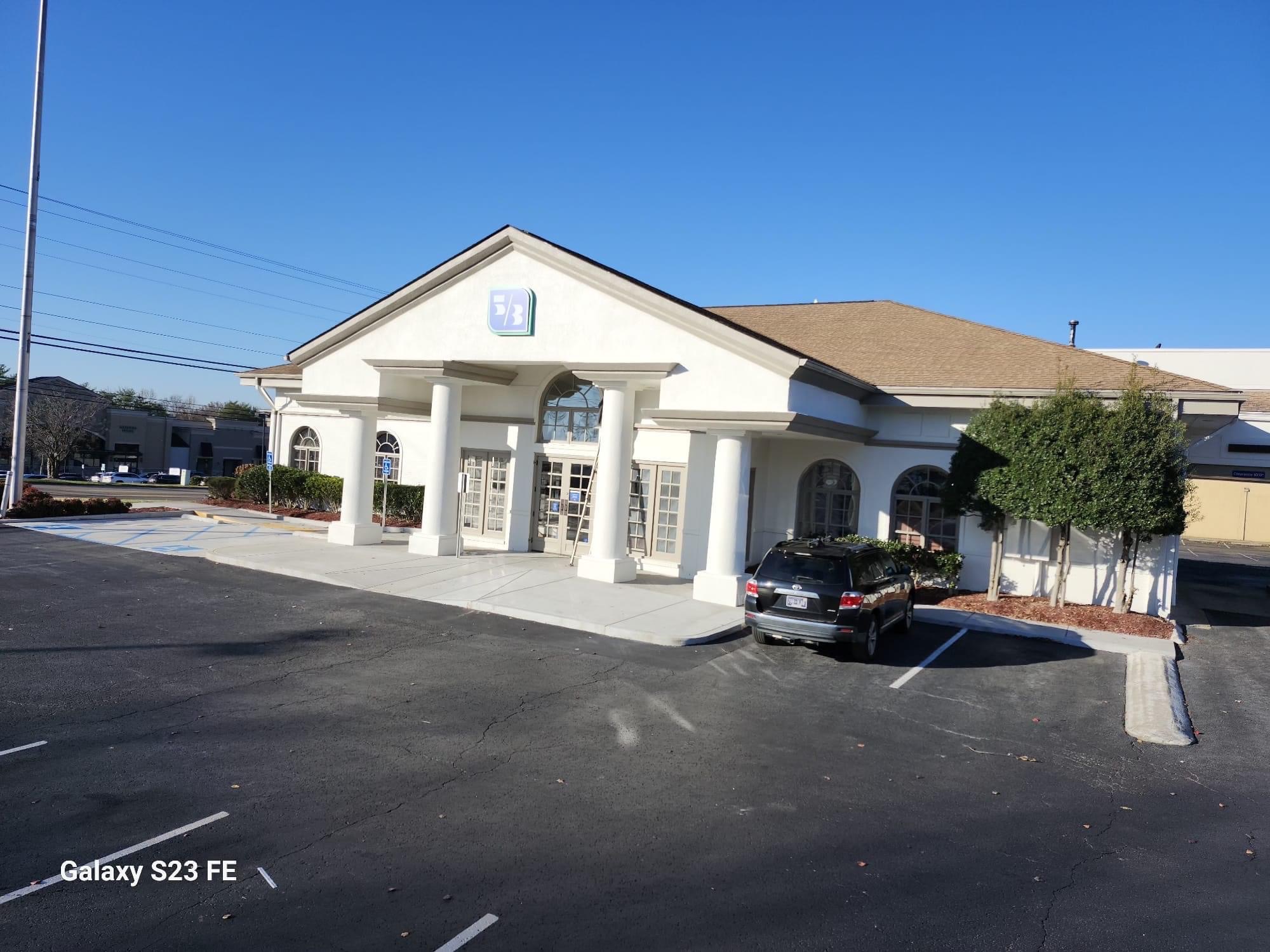
Prep is where a paint job succeeds or fails in South Florida, and it's also where corners get cut without a homeowner noticing until a year later. Ask a contractor to walk through their process step by step. On exterior stucco, that should include pressure cleaning to strip salt residue and surface grime, a mildew treatment (not just a coat of paint over it), crack filling, and priming chalky or powdery stucco so new paint has something to bond to. Older Hollywood interiors near downtown often hide cracked plaster and smoke-stained ceilings behind a previous coat of paint; a contractor should mention repairing and stain-blocking those areas before repainting, so the old damage doesn't telegraph through the fresh color. If a contractor's answer skips straight to "we'll paint it," that's a gap worth noting.
Coastal exposure adds another layer. Homes near the water deal with salt air breaking down exterior finishes faster, and canal-front or irrigation-adjacent properties often show staining low on the walls from sprinkler overspray or splash. A contractor who treats those bands differently than the rest of the exterior, rather than painting over them the same way, understands the difference between a cosmetic fix and one that lasts.
What Paint System Are They Using?
Ask which paint brand and product line the contractor plans to use, and why. Materials matter on exteriors exposed to UV, humidity and storm cycles. PaintPro South Florida uses Sherwin-Williams premium paints as part of its standard process. Whatever brand a contractor names, ask whether it's a tier built for South Florida's exterior conditions or a lower-cost interior-grade product being stretched outside. On wood siding and eaves, which still exist on some older Hollywood homes downtown, ask whether they scrape to sound wood and oil-prime bare spots rather than bury rot under a thick latex coat. That detail separates a contractor thinking about longevity from one thinking about finishing the job quickly.
Do They Communicate Clearly Before the Work Starts?
A contractor's communication during the estimate is a preview of communication during the job. Did they walk the property, or quote from a phone call? Did they explain load-in and staging, especially relevant near Young Circle or the beach boardwalk where parking is tighter than it is in a suburban driveway? Did they mention timing exterior work around dry stretches so afternoon storms don't wash out fresh paint? A contractor who addresses these specifics for Hollywood, rather than giving a generic answer that could apply anywhere, is more likely to plan the job realistically.
If your property shares a wall color with a neighboring house, as many mid-century blocks between Young Circle and the beach do, ask how the contractor confirms the lot line before cutting in. A contractor who doesn't think to ask may leave you with two mismatched houses side by side. If you live in a condo rather than a single-family home, the process is different again: a condo owner's guide to interior painting in Hollywood covers building insurance requirements, elevator scheduling, and board-approved work hours that a house painting quote won't address.
How Should You Read Reviews and Past Work?
Reviews tell you more when you read past the star rating. Look for mentions of how a contractor handled a problem, not just whether the final color looked good. A review that says "they caught a cracked spot we hadn't noticed and fixed it before painting" tells you more about prep habits than one that simply says "great job." If a contractor can show photos of past exterior work, especially on stucco or wood siding similar to your home's construction era, ask what prep was done before those photos were taken. A finished photo alone doesn't tell you whether pressure cleaning, crack repair, or primer happened first.
Frequently Asked Questions
How long does a typical exterior repaint take in Hollywood, FL?
Timelines depend on the size of the property, the amount of prep needed, and the weather. A contractor scheduling around dry stretches rather than pushing through an afternoon storm may take a little longer but protects the finish. Ask for a project-specific estimate rather than a general number.
Do I need special preparation for a beach-adjacent or canal-front home?
Yes. Salt air and canal splash break down exterior paint faster than inland exposure, and irrigation overspray can stain lower walls. A contractor should treat and prime those areas specifically rather than applying the same process used on an inland house.
What should I ask about if I live in an HOA or condo community?
Ask whether the contractor can supply color samples, photos, and quotes to support your submission to the board, since approval itself is between you and your association. Also confirm they understand elevator scheduling and board-approved work hours if you're in a condo building.
Is a lower quote always a red flag?
Not automatically, but a quote that skips line items for prep work, such as pressure cleaning or priming, may mean that work isn't planned at all. Compare itemized quotes side by side to see what's actually included before judging by price alone.
Can financing help spread out the cost of a painting project?
Some contractors, including PaintPro South Florida, offer optional financing through a third-party provider for qualified applicants, which can make it easier to schedule a project without paying the full amount upfront. Ask your contractor directly what financing options they offer and what the approval process involves.