


Dry, lower-humidity stretches matter more than the month. Here is how dew point, afternoon storms, stucco prep and HOA lead time shape exterior painting in Fort Lauderdale.
The best time for exterior painting in Fort Lauderdale is a run of dry, lower-humidity days, which the cooler months from December through February deliver most often, according to a guide to painting seasons across Florida. We paint outside in the other months too, but we plan around storms and dew instead of the calendar.
What a Good Painting Window Looks Like Here
A forecast with no rain is only the start. The wall has to be dry, the air has to be dry enough for the coating to cure, and nothing wet can be on the way before the film sets. On stucco, which holds moisture longer than it looks, a single dry afternoon after a soaking week is not a window.
Sherwin-Williams, in its exterior product application FAQ, says the temperature should ideally stay in the product's range and above the dew point for at least 48 hours after application, and that most products need at least 4 hours of dry time before moisture can settle on the surface. That is why we look at the days after the job, not just the day we start.
Season-by-Season Planning in Fort Lauderdale
| Season | What works in your favor | What we plan around |
|---|---|---|
| Winter (December through February) | Drier air and the most back-to-back dry days | Cool fronts that bring a rainy spell; we check the wall, not just the sky |
| Spring | Dry windows continue while humidity is still building | A muggy day can undo a clear forecast |
| Summer | Early mornings after the dew lifts | Regular afternoon storms; we stop before they build |
| Fall and storm season | Occasional stable stretches | Named storms pause exterior work until conditions clear |
Temperature, Surface Heat and Dew Point
Fort Lauderdale rarely has a cold-weather problem, so heat and moisture decide the schedule. Benjamin Moore's temperature guide recommends planning exterior work for temperatures from 35ºF to 100ºF with humidity as low as possible, and names 77ºF as the optimal temperature. It also warns that the wall has its own temperature, which can run well above the air in direct sun, and it should not exceed the range on the product's data sheet.
The same guide gives the dew point rule: paint a surface whose temperature is more than 5ºF above the dew point, the temperature at which water starts to condense. In South Florida, that is the reason a muggy evening can ruin a coat that looked dry at four in the afternoon.
Painting in Summer Without Gambling on the Weather
Summer is workable when the day is built around the storm pattern. We start once morning dew has lifted and stop before the usual afternoon storm, so fresh paint is not washed off a west wall. Following the shade around the house helps too, because a coat applied on a sun-baked wall can skin over while the layer beneath is still wet.
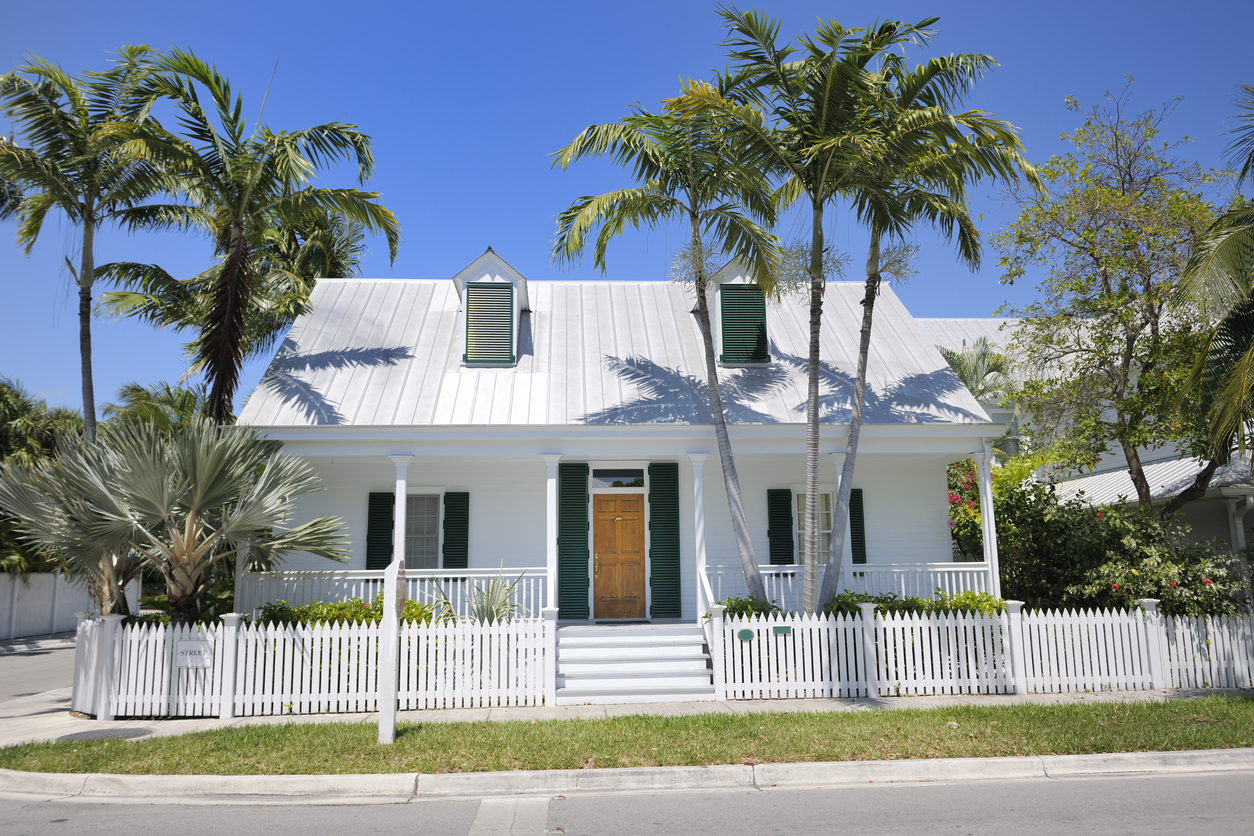
Humidity is the other limit. Thick air slows curing between coats, so we would rather add a dry day than put a second coat onto a damp wall. If you want the full schedule for your elevations, our residential exterior painting service starts with a free estimate and an itemized quote with no hidden fees.
Prep Matters as Much as the Date
A perfect week does not save paint put over dirty or chalky stucco. Before color, we pressure-clean, treat mildew, fill cracks and prime chalky stucco. On coastal and canal-front homes we also adjust for salt air, canal splash and irrigation stains, which usually need cleaning and priming on their own. When prep is skipped, paint tends to fail early whatever the season, a pattern we cover in our post on why paint fails early in South Florida and in the one on coastal exterior paint peeling in Hollywood.
Build HOA Approval into the Calendar
If your community reviews colors, the board's decision can set your start date more than the weather does. We supply samples, photos and a quote for the submittal, but approval is between you and the board. Submit early so your approved color is ready when a dry stretch opens. Our guide to what to have ready before an HOA repaint covers the paperwork.
Hurricane Season and Commercial Buildings
If a named storm is approaching, exterior painting pauses, because wind and rain during application undo the prep. Finishing earlier in the year lets a sealed, crack-free wall meet storm season in better shape, though no coating is storm-proof.
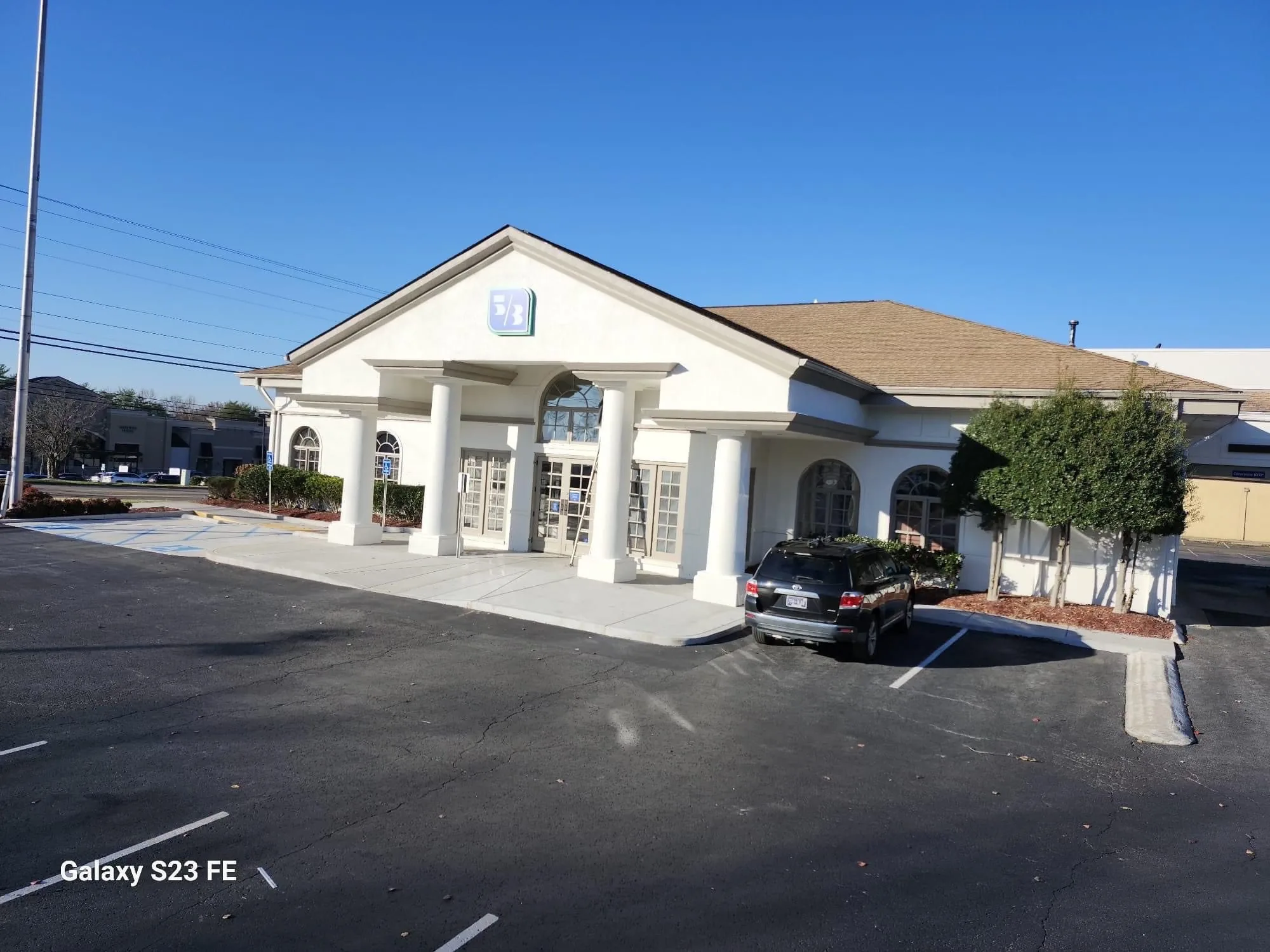
Property managers can use the same logic with a different calendar. Our commercial exterior painting can be scheduled at night or on weekends, so offices, retail spaces and apartment buildings stay open while a dry window is used.
FAQ
Can you paint a house exterior in Fort Lauderdale during the rainy season?
Yes, with a schedule built around storms. We start after dew lifts, stop before afternoon storms and let walls dry fully before returning, since rain on uncured paint can streak it or cause bubbling.
What if it rains before the paint dries?
Stop painting and wait until the rain ends and the surface is dry, advises Benjamin Moore. If bubbles form, leave them alone; they may settle as the water evaporates, but if they remain after a day or two they must be scraped, sanded, cleaned and repainted.
Is hot weather a problem for exterior paint?
Heat matters mostly through the surface temperature. A wall in strong sun can run hotter than the air and outside the product's range, so we work shaded walls first and check the data sheet for the paint in use.
Does winter really matter more than other months?
Winter gives you more chances at dry runs, but one humid day in January can do more harm than a clear July morning. The paint's cure over the next two days matters more than the month on the calendar.
Related resources
- Exterior House Painting in Fort Lauderdale for Homeowners | PaintPro
- House Painting in South Florida: Why Paint Fails Early and How to Get a Job That Lasts
- Coastal Exterior Paint Peeling in Hollywood, FL: Causes and Fixes
- HOA Exterior Painting in South Florida: What to Have Ready Before the Repaint
- Commercial Exterior Painting Fort Lauderdale | PaintPro
- About Us | Paint Pro South Florida - Fort Lauderdale Painters
- Cabinet Painting Cost Fort Lauderdale
- Cabinet Painting Fort Lauderdale
- Hiring Commercial Painting Contractors in Fort Lauderdale
Learn more about our exterior house painting services.