


Learn how scope, surface condition, and building height drive commercial painting costs in Fort Lauderdale. Get benchmarks for interior and exterior projects to compare bids effectively.
Commercial interior painting in Fort Lauderdale is priced by scope, not a flat rate. The cost depends on wall and ceiling area, the prep each surface needs, available work hours, and the coatings specified. For exterior stucco, outside benchmarks put straightforward repaints near $2.25–$3.75 per paintable square foot, with height and surface condition moving the number up or down.
What does commercial interior painting cost per square foot?
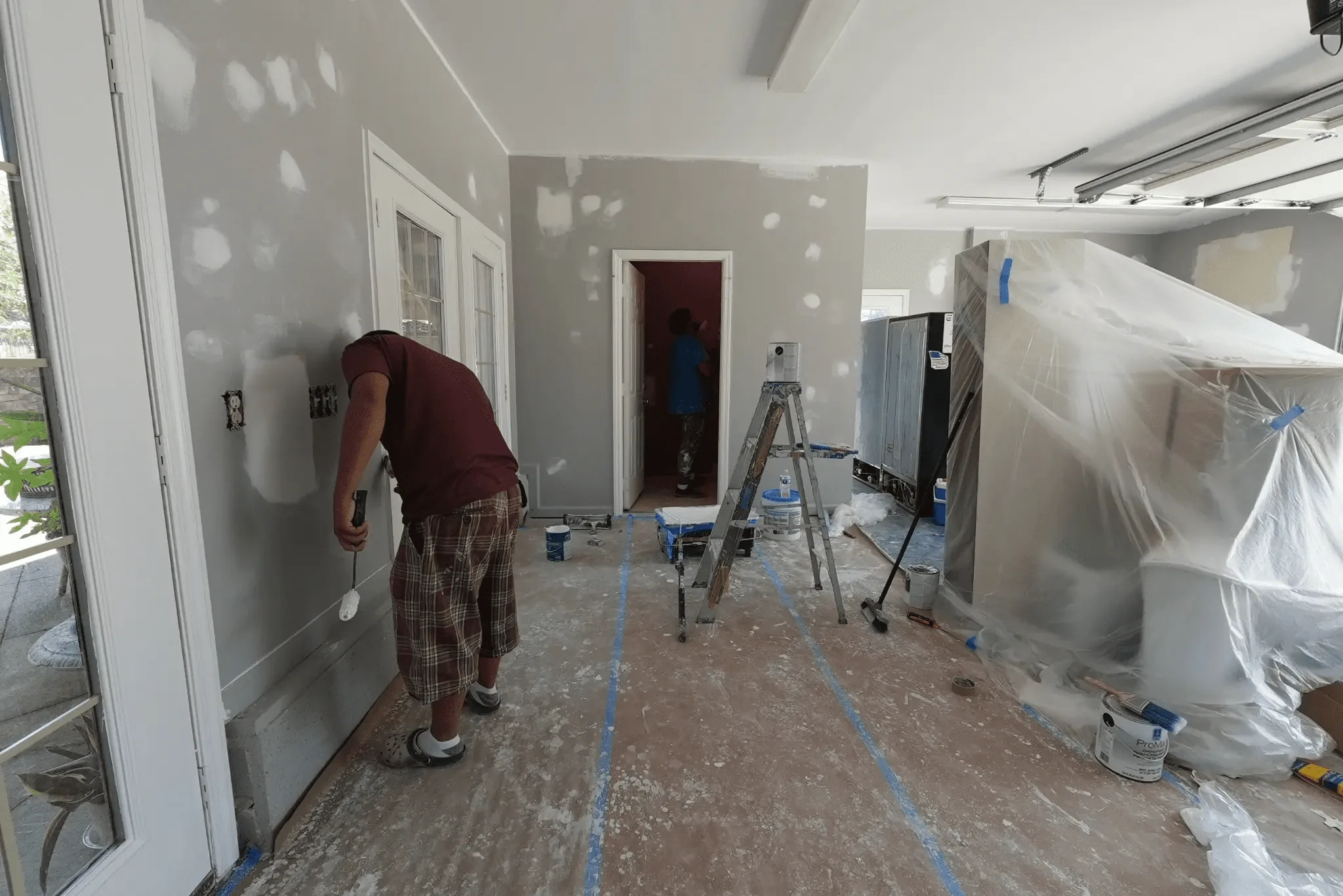
There is no single per-square-foot rate for commercial interiors. Contractors price by the total scope of work, which includes the square footage of walls and ceilings, the condition of each surface, and the labor hours required. Some estimators use a rough base rate of $1.50 or $2.00 per square foot, while others multiply paint costs by four to six times, according to Benjamin Moore. Interiors typically require more paint and take two to three times as many hours as the same exterior square footage because of prep, detail, and cleanup. This is why two bids for the same office can differ significantly; one may include extensive drywall repair while the other assumes sound surfaces. An itemized quote breaks down these variables so you can compare line items rather than guessing why totals vary.
What is the typical cost to repaint a commercial building exterior?
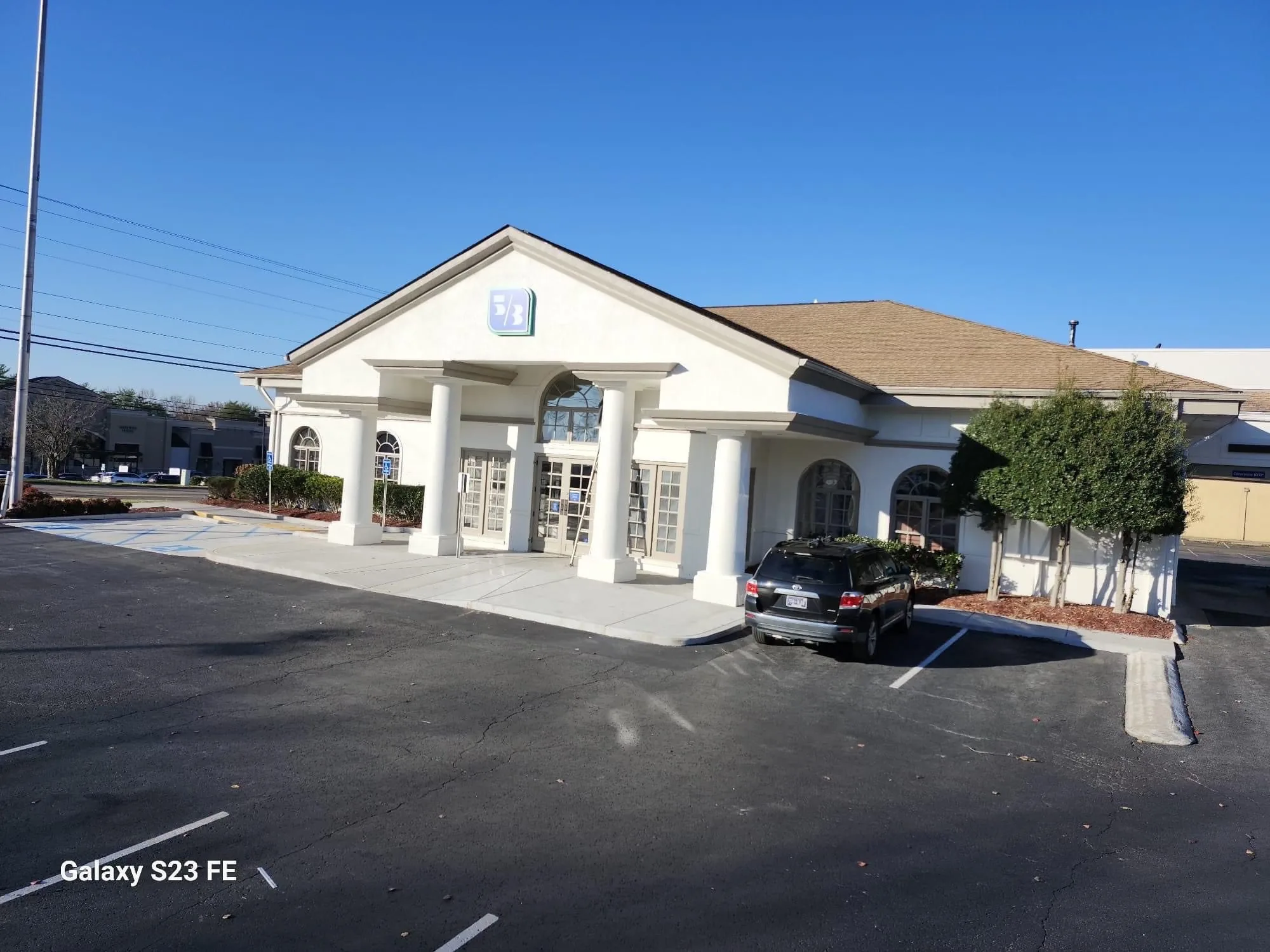
Outside benchmarks place exterior commercial painting between $1.50 and $4.50 per paintable square foot, depending on access and surface condition, according to LatestCost. For a straightforward project with sound stucco or siding, standard commercial paint, and normal site access, budgets commonly fall near $2.25–$3.75 per paintable square foot. To visualize this, consider a 10,000-square-foot wall surface. At the lower end of that range, the cost is $22,500. At the higher end, it reaches $37,500. These figures cover basic prep and two coats but exclude unusual repairs or difficult access needs. If your building has significant stucco damage or requires extensive scaffolding, the final bid will reflect those added labor and material costs.
How do building type and height change the exterior price?
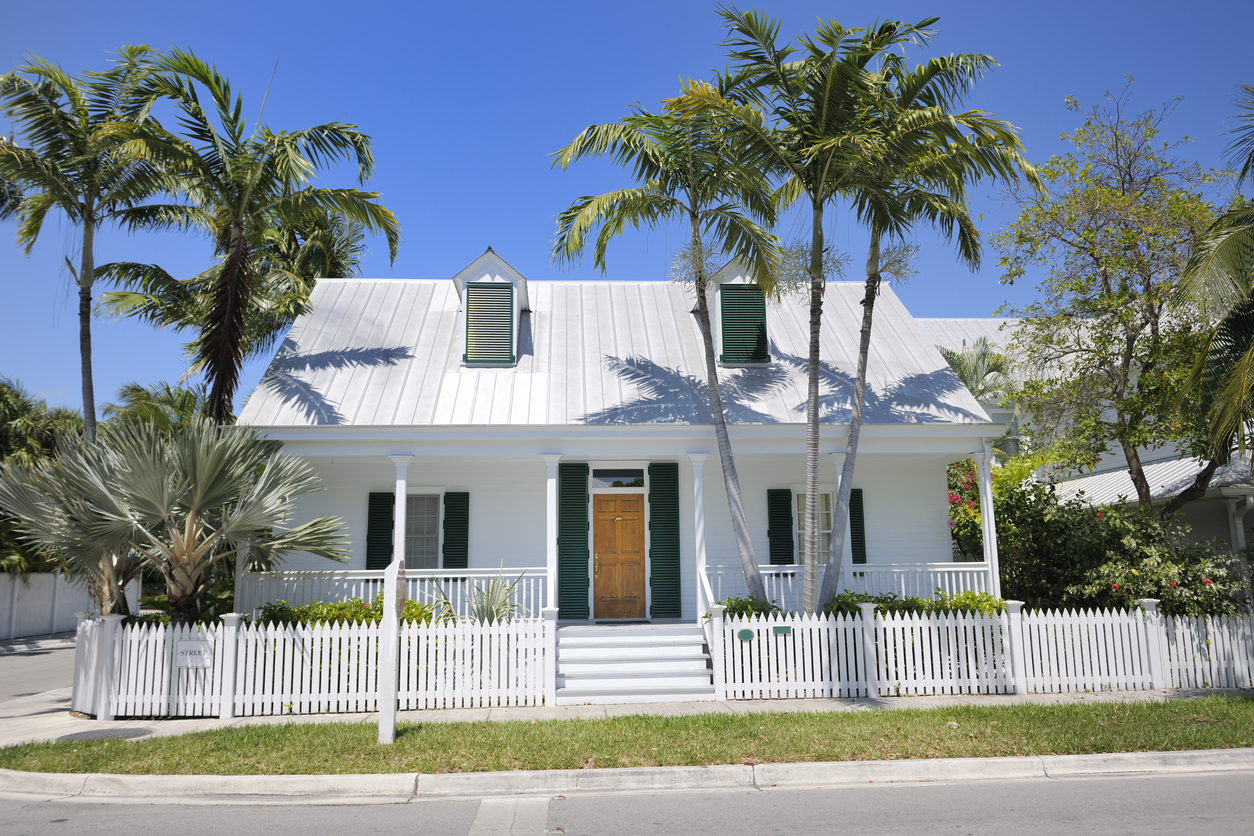
The physical profile of your building dictates which price tier applies. Storefronts and small two-story offices with smooth surfaces and easy access typically fall toward the lower end, around $2.50–$3.50 per square foot. Medium-density commercial facades, such as mid-rise brick or stucco buildings, often land in the $3.75–$5.50 range due to extra prep or specialized coatings, as noted by LatestCost. High-rise towers, metal panel exteriors, or buildings requiring lead or asbestos abatement can exceed $6.00 per square foot. Height is a major cost driver; walls above 30 feet can add roughly 15%–35% to the project cost, especially when lifts cannot reach all elevations. This surcharge covers the time and equipment needed for safe, high-altitude work.
| Building Type | Typical Cost Range (per sq ft) | Key Drivers |
|---|---|---|
| Storefront / Small Office | $2.50 – $3.50 | Smooth surfaces, ground access |
| Mid-Rise Brick / Stucco | $3.75 – $5.50 | Extra prep, specialized coatings |
| High-Rise / Abatement Needed | $6.00+ | Height, metal panels, abatement |
What drives commercial painting prices?
Surface condition is the primary driver of cost before anything else. Prep work consumes most labor hours on an exterior job. This includes pressure-cleaning, treating mildew, filling cracks, scraping loose paint, and priming chalky stucco before any topcoat is applied. Localized stucco patching can add $3–$10 per square foot of repaired area, while replacing damaged wood trim may cost $8–$25 per linear foot. The number of coats also matters; a single coat may suffice for a light color change, while darker-to-lighter shifts require two or more. Paint grade affects material costs, with standard commercial products running $25–$75 per gallon. Labor rates commonly run $45–$85 per worker-hour, though commercial bids are often calculated by area or job rather than hourly. Understanding these components helps you identify where a bid includes necessary prep versus where it assumes ideal conditions.
How do after-hours and weekend scheduling affect cost?
Working nights or weekends allows a commercial project to stay on timeline without closing the space. We offer flexible scheduling, including night and weekend shifts, to ensure your project remains on budget while minimizing disruption to your operations. Scheduling around your business hours is a cost and disruption factor as much as a labor one. If you need the space fully operational by Monday morning, the crew may work through the weekend to complete final coats and cleanup. This approach avoids lost revenue from a closed storefront or office. The bid should specify which shifts are included and when each area returns to use. This clarity helps you plan staff schedules and customer access without guesswork.
How does occupied-space work change the job?
Occupied commercial painting runs alongside health, safety, and air-quality obligations that vacant-building work does not carry. This means product selection must suit an occupied space, often requiring low-VOC or zero-VOC paints to maintain indoor air quality. Protection of floors, furniture, and fixtures is critical, along with daily cleanup to keep the space presentable on opening day. The National Painting Authority notes that occupied work involves coating in buildings where employees or customers remain present, adding layers of responsibility for the contractor. You should ask how the crew manages dust control and ventilation in occupied areas. A detailed scope will list specific protection methods and cleanup routines, ensuring the environment remains safe and professional throughout the project.
Elastomeric coating vs standard acrylic on commercial stucco
Standard commercial paint commonly runs $25–$75 per gallon, while specialty elastomeric or corrosion-resistant coatings often cost $60–$120 per gallon. Elastomeric coatings are thicker and more flexible, designed to bridge small cracks in stucco and provide long-term protection against water intrusion. This makes them a strong choice when the stucco is chalking, cracking, or requires enhanced durability. Standard acrylic paint fits sound, smooth surfaces where the premium for elastomeric is not justified. The decision depends on the wall’s condition and your long-term maintenance goals. If you are unsure which coating fits your specific stucco, our guide on elastomeric coating on stucco in Florida explains the fit and prep requirements in detail.
What should you check in a commercial painting contractor's bid?
Look for an itemized scope of work that lists the named paint and primer for each area, allowing you to request data sheets. The bid should detail the schedule, including which shifts or weekends are used and when each area returns to use. Check for lines covering protection and cleanup, as well as insurance verification and the written warranty covering labor and materials. An itemized quote lets a property manager compare two bids line by line instead of guessing why they differ. For more on how to read these details, see our guide on commercial interior painting in Fort Lauderdale. If you are also planning residential work, our article on what drives house painting cost offers similar insights for home projects.
How do you get an accurate commercial painting quote?
Start with an estimate and consultation so the crew can see the surface condition, height, and access on site. You then receive a written quote that lays out the scope of work and warranty terms, with a deposit before work is scheduled. For exterior stucco, expect the prep—pressure-clean, treat mildew, fill cracks, scrape loose paint, and prime chalky stucco—to be spelled out before color goes on. This process ensures the bid reflects the actual work required rather than a generic guess. To begin, request an estimate from PaintPro South Florida so we can assess your specific property and provide a clear, comparable number.