



House painting in South Florida fails early when prep is skipped and the wrong products are used.
House painting in South Florida fails faster than in most of the country because the combination of salt air, daily UV exposure, afternoon storms, and year-round humidity attacks surfaces that weren't properly prepared or coated with the right products. If your exterior paint is peeling, chalking, or showing mildew within a few years of the last job, the climate isn't entirely to blame — the prep sequence and paint selection almost always are. Understanding the most common causes, from most to least likely, helps you diagnose what went wrong and decide whether this is a DIY fix or a job for a licensed and insured painting contractor.
What Peeling and Fading Paint on a South Florida Home Usually Means
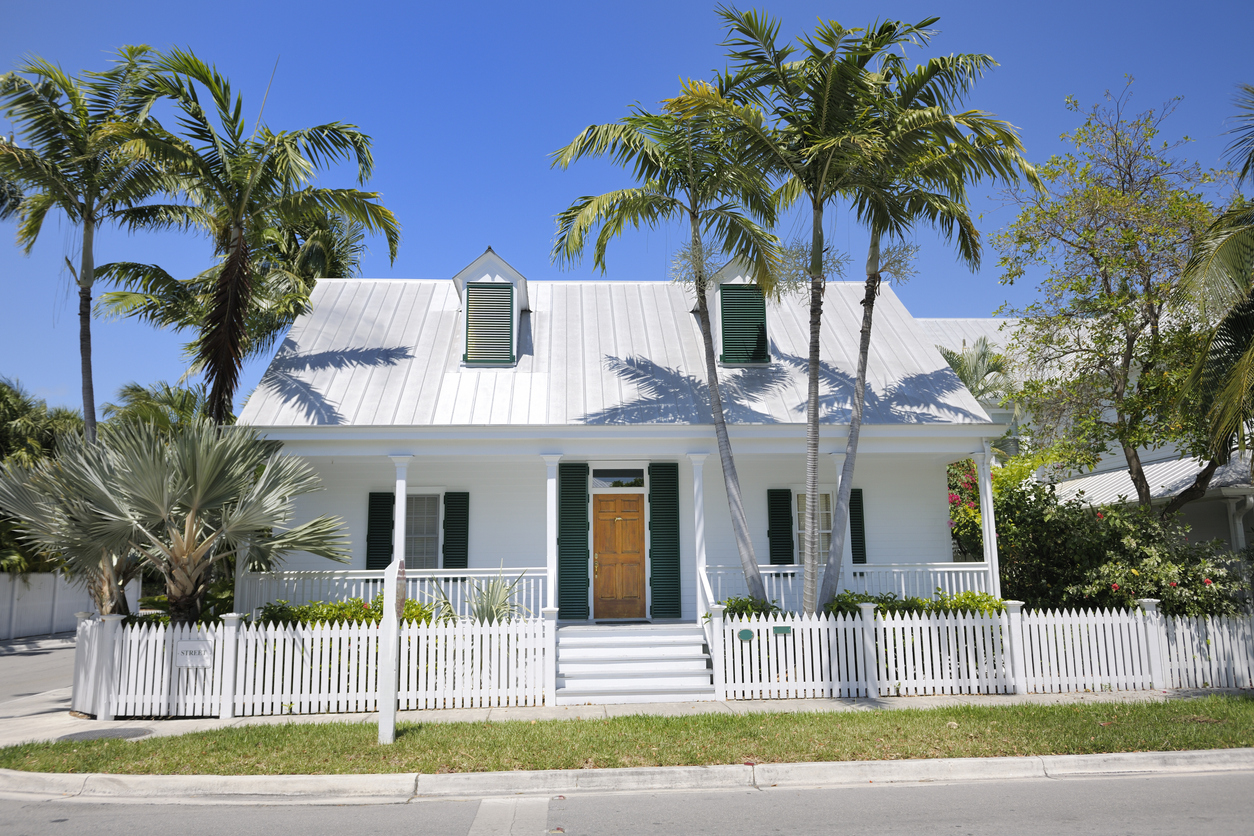
Paint failure on a Fort Lauderdale or Pompano Beach home is almost always a prep story, not a paint story. When you see bubbling on stucco, chalky residue on a smooth surface, or mildew creeping along a shaded wall, the root cause is usually moisture trapped beneath the coating or a surface that wasn't clean and sealed before the brush ever touched it. South Florida's humidity means surfaces hold more moisture than they appear to, and paint applied over a damp or dirty substrate will separate from it — sometimes within a single rainy season. Fading is a separate but related problem: UV intensity in this latitude degrades pigment faster than in northern climates, so a paint not rated for high UV exposure will look washed out long before it should.
Most Common Causes of Early Paint Failure in Fort Lauderdale and Nearby Communities
These causes are ranked from most to least common based on what shows up repeatedly on homes across the South Florida metro.
- Skipped or inadequate pressure washing. Stucco, brick, and smooth surfaces accumulate mold spores, dirt, and chalking from the previous coat. Paint applied over any of those layers bonds poorly and peels. Pressure washing removes the contamination; skipping it is why coastal and canal-front paint peels in a short time.
- No mildew treatment before painting. South Florida's humidity keeps mildew alive on exterior walls year-round. Painting over active mildew without killing it first means the mildew continues to grow under the new coat, pushing it away from the surface.
- Unrepaired cracks in stucco. Hairline cracks in stucco are common after a storm season. Water enters through them, migrates behind the paint film, and causes bubbling or delamination. Crack filling before priming is not optional in this climate.
- Wrong primer or no primer on chalking stucco. Chalking stucco — the powdery residue left when old paint breaks down — needs a penetrating primer to consolidate the surface before a topcoat. A topcoat applied directly to chalking stucco has nothing solid to grip.
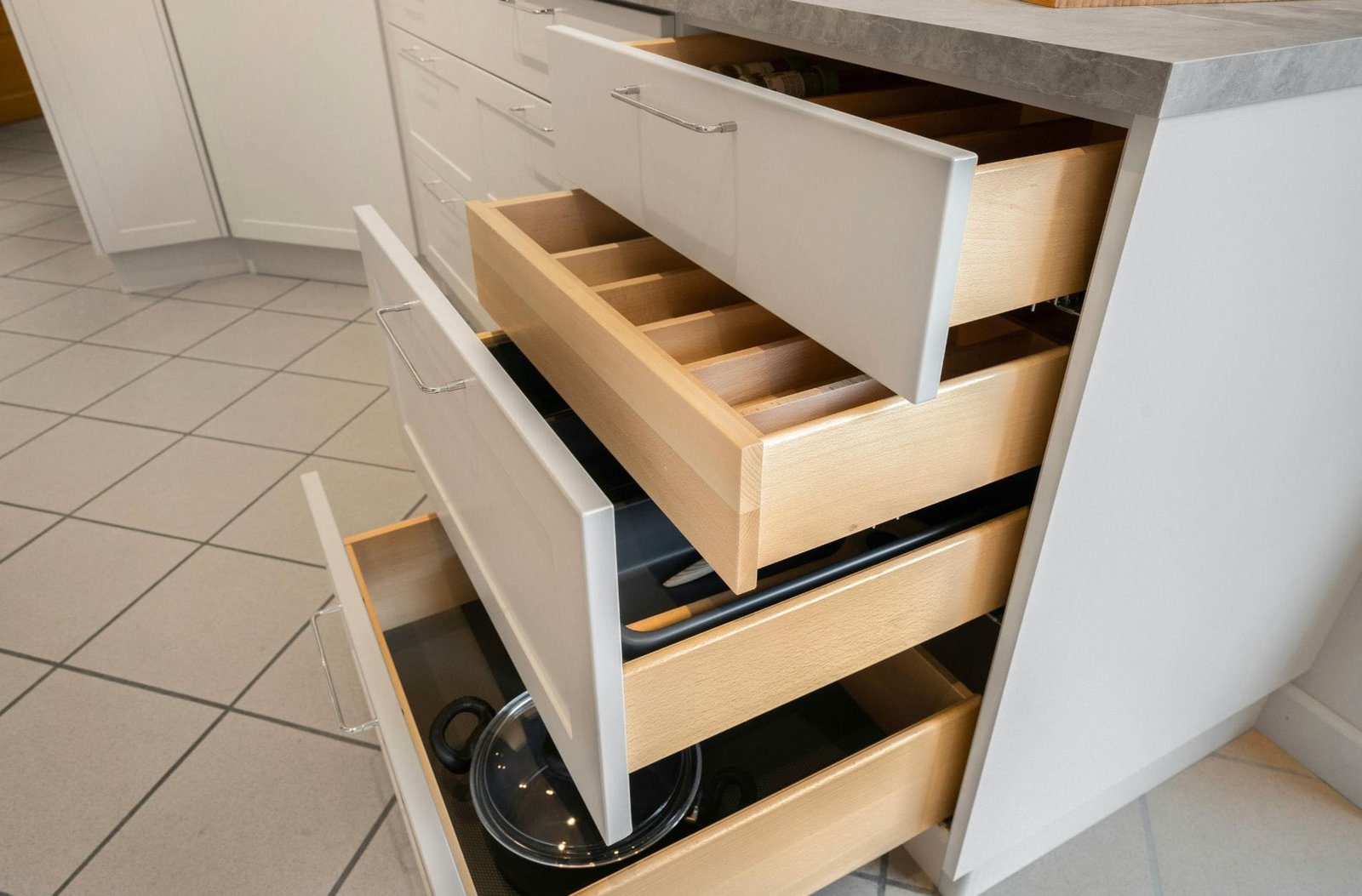
- Interior flat paint used in high-moisture rooms. In kitchens, bathrooms, and laundry rooms, flat builder paint absorbs condensation and cannot be wiped clean. Moisture-resistant acrylic with a washable finish, and semi-gloss on trim and doors, is the correct specification for those spaces.
- Poor timing of application. Applying exterior paint during peak afternoon humidity or just before a South Florida storm means the surface cures improperly. The most reliable window is the dry period between winter and early-spring fronts; in summer, starting after morning dew lifts and stopping before afternoon storms is the practical workaround.
Safe Checks a Homeowner Can Do Before Calling Anyone
Before scheduling an estimate, a few visual checks will help you describe the problem accurately and understand its scope. Walk the full exterior perimeter and look for these signs on your stucco, brick, or smooth surfaces.
- Run your hand across the wall surface. If paint comes off as a white or colored powder, the existing coat is chalking and will need a consolidating primer before any new paint is applied.
- Press gently on any bubbled areas. If the bubble is soft and the paint moves, moisture is trapped beneath it. If it is hard and hollow, the paint has already separated and dried in that position.
- Look at shaded walls and soffits for dark or greenish staining. That is mildew, not dirt, and it will not wash off with plain water.
- Check stucco around windows, doors, and expansion joints for hairline cracks. These are the most common water-entry points after a storm season in Pembroke Pines, Deerfield Beach, and Boca Raton neighborhoods.
- Inside, check bathroom ceilings and kitchen walls for peeling or staining near the ceiling line. That pattern usually means the existing paint is not moisture-resistant and condensation has worked behind it.
What a Proper House Painting Job in South Florida Actually Looks Like
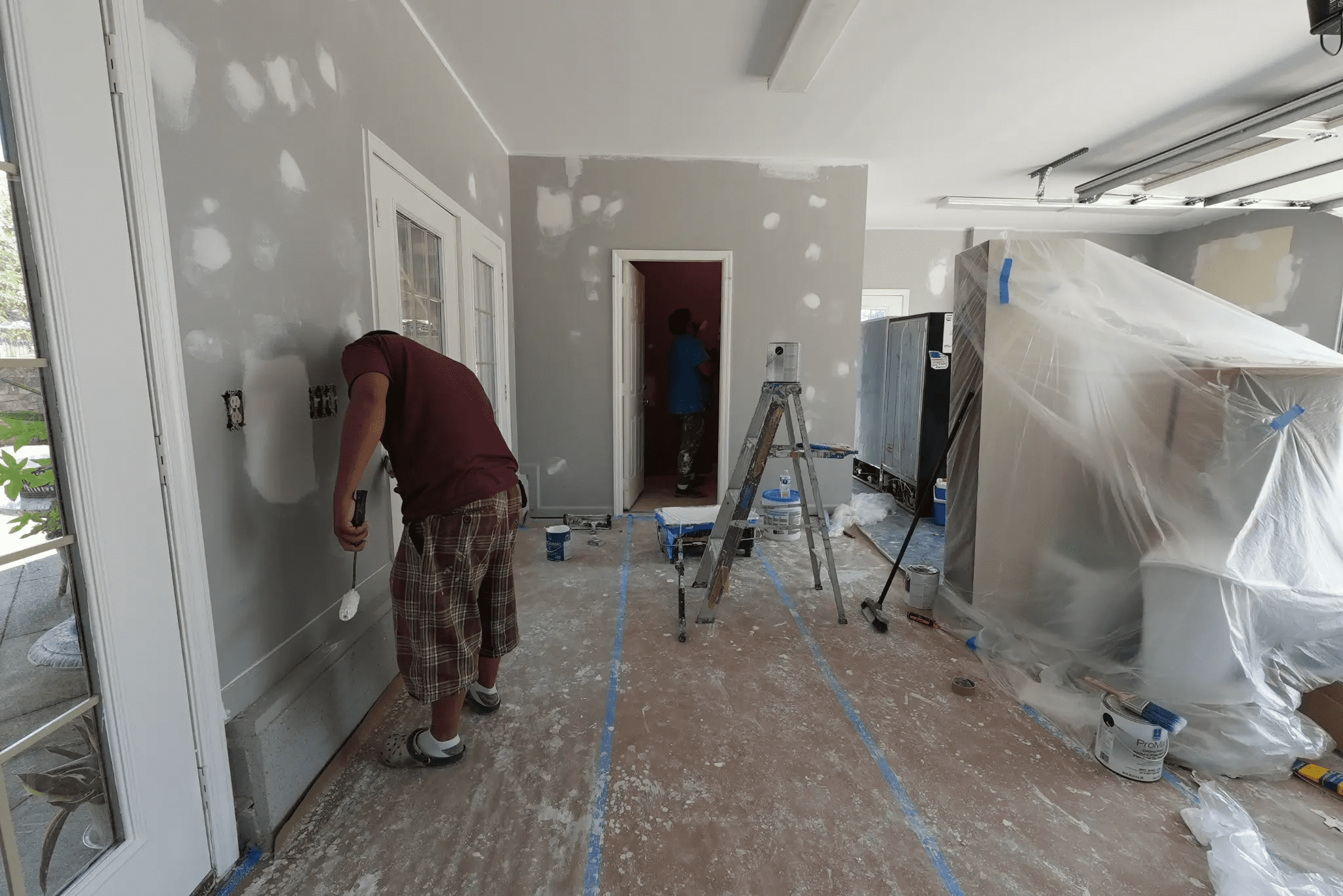
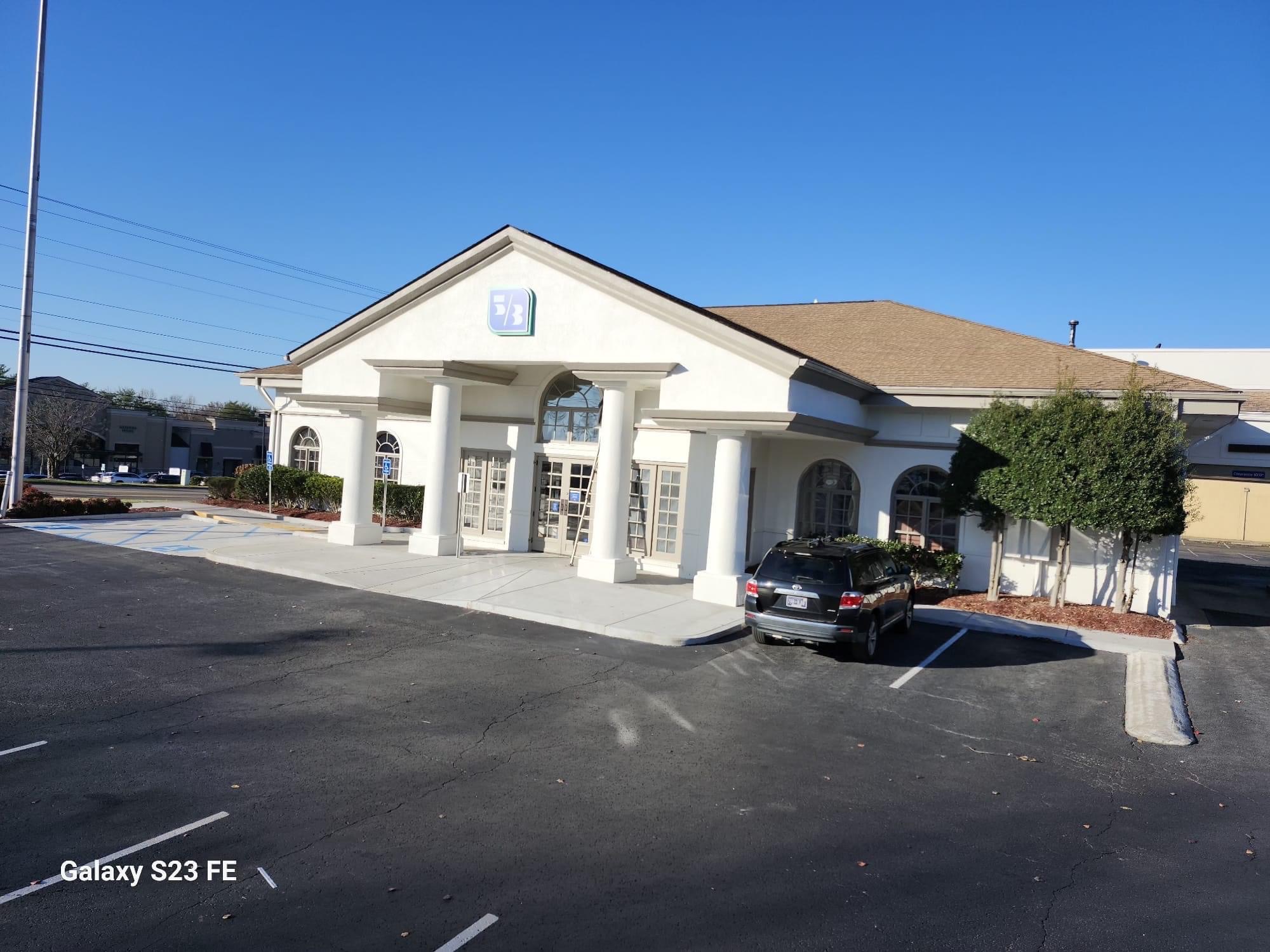
A correctly executed exterior house painting job on a South Florida home follows a specific sequence. PaintPro South Florida's process — and the standard any qualified contractor should meet — begins with pressure washing to strip mildew, dirt, and chalking. Mildew is treated before the surface dries. Cracks in stucco are filled and allowed to cure. Any areas where the substrate has deteriorated get drywall repair or patching as needed. Chalking stucco receives a penetrating primer. Only after all of that does the topcoat go on, using Sherwin-Williams premium paints selected for South Florida's heat, UV load, and storm exposure.
Frequently Asked Questions About House Painting in South Florida
How long should exterior house paint last in Fort Lauderdale's climate?
A properly prepped and coated exterior — pressure washed, mildew-treated, cracks filled, primed, and finished with a UV- and mildew-resistant topcoat — should hold up for several years in South Florida's coastal climate. Paint that peels within a couple of years almost always had prep steps skipped or used a product not rated for this level of UV and humidity.
What is the best time of year to paint the exterior of a house in South Florida?
The dry window between winter and early-spring fronts is the most reliable for exterior painting in Fort Lauderdale and surrounding communities. In summer, experienced crews start after morning dew lifts and stop before the regular afternoon storm so new paint is not washed off a west wall before it has cured.
Can I paint over mildew on my exterior walls?
No. Painting over active mildew without treating and killing it first means the mildew continues to grow beneath the new coat and will push it off the wall. The correct sequence is pressure washing, mildew treatment, full dry time, and then primer and topcoat.
What paint finish should I use in my South Florida bathroom or kitchen?
Moisture-resistant acrylic with a washable finish is the correct specification for kitchens, bathrooms, and laundry rooms in South Florida homes. Flat builder paint in those rooms picks up condensation and cannot be wiped clean. Semi-gloss is the right choice for trim and doors in those spaces.
How do I get a house painting estimate from PaintPro South Florida?
If your paint job in South Florida keeps failing early, the fix starts with the right prep and the right products for our climate, not another quick repaint. A local painting team that understands humidity, salt air, and UV exposure can help you choose the correct approach for your home from the start. Reach out to get your home evaluated and start planning a paint job built to hold up.
Related resources
- Exterior Painting Fort Lauderdale, FL | House Painters Near Me | - Paint Pro South Florida
- Commercial Exterior Painting Fort Lauderdale | Paint Pro South Florida
- Commercial Interior Painting Fort Lauderdale | Paint Pro South Florida
- House Painting Cost Fort Lauderdale: What Drives the Price