




Peeling, chalking and mildew stains on South Florida homes almost always trace back to surface prep or timing, not the paint itself. Here's how to diagnose the cause and know when a full repaint is needed.
House painting in South Florida usually fails early because of what happens under the topcoat, not the paint brand itself: moisture trapped in chalky stucco, mildew sealed in instead of removed, or a coat applied right before an afternoon storm. Peeling, bubbling and fading within a couple of years almost always trace back to surface prep or timing, not the paint can. Knowing which cause applies to your walls determines whether a touch-up will hold or the whole job needs to be redone.
What Early Paint Failure Usually Means
When exterior paint on a Fort Lauderdale-area home peels, cracks, or shows a chalky white residue on your hand after you touch the wall within a few years of painting, that is the surface telling you something didn't hold underneath. Stucco is porous. It absorbs humidity, releases it slowly, and chalks as its binder breaks down under UV exposure. Paint applied over chalk, active mildew, or a damp wall has nothing solid to grip, so it lets go early instead of aging gracefully. Interior failures — peeling near bathrooms, bubbling on ceilings, or flaking baseboards — usually point to moisture from condensation or a leak rather than a paint quality problem.
Likely Causes, Most Common to Least Common
- Chalky or unprimed stucco: South Florida's sun breaks down old paint film into a powdery surface. Any new coat applied over that chalk without scraping and priming will separate from the wall within a short time.
- Mildew sealed under the topcoat: Painting over mildew instead of treating it first traps spores under the new film, and the stain reappears — often looking like the paint itself is the problem when the wall wasn't treated beforehand.
- Painting during or right before wet weather: A coat that doesn't get enough dry time before an afternoon storm can wash, streak, or fail to cure properly. South Florida's rain pattern makes timing exterior work a real variable, not a minor scheduling detail.
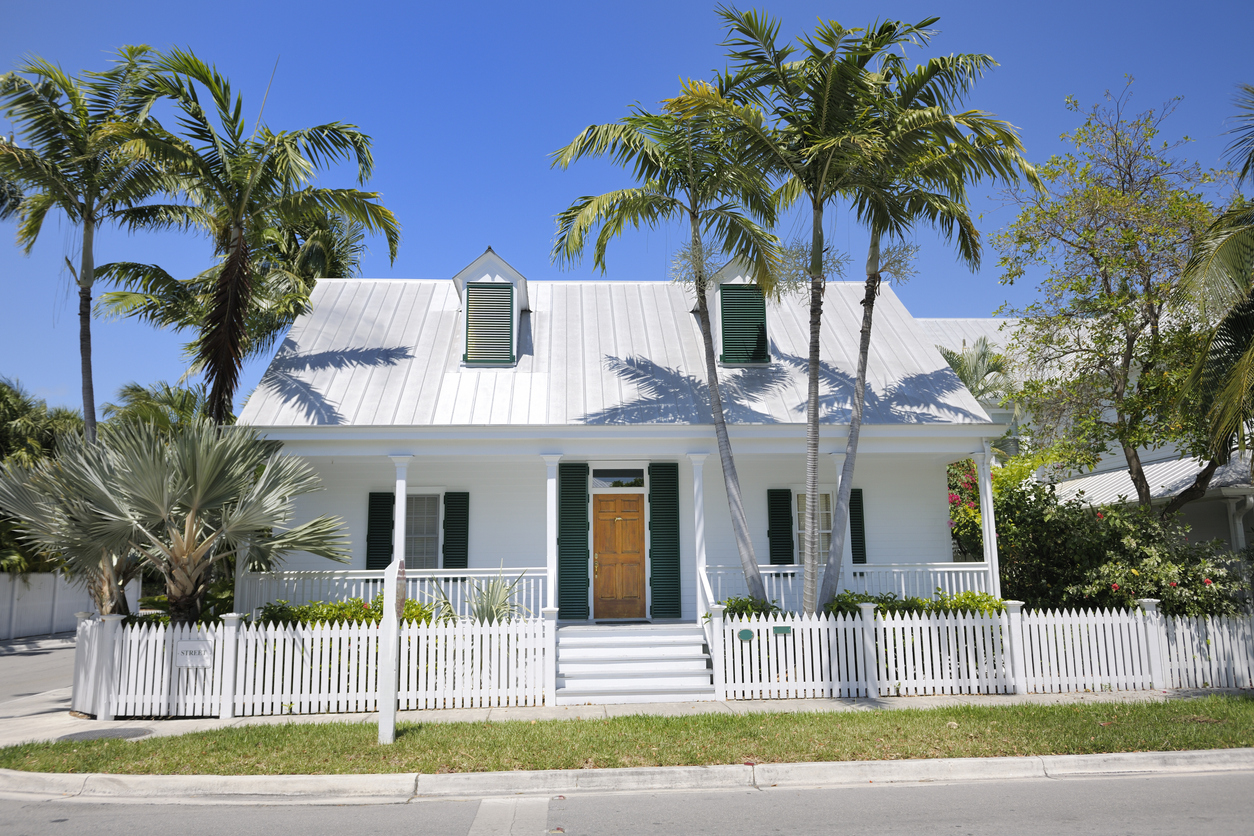
- Salt air and canal-front splash: Homes near the coast or on canal lots face constant salt exposure that accelerates corrosion on metal fixtures and breaks down paint film faster on the lower walls closest to the water.
- Irrigation overspray and fertilizer staining: Sprinklers that hit the base of exterior walls leave mineral and rust-colored drip lines under windows and along foundations, which look like paint failure but are actually a staining and prep issue.
- Skipped crack repair: Hairline stucco cracks left unfilled widen with temperature swings and let water behind the paint film, causing bubbling and peeling that starts right at the crack line.
Safe Checks a Homeowner Can Do
- Run a hand across a dry exterior wall in a shaded area. If it comes away with white powder, that's chalking, and it means any new paint needs a bonding primer, not just a fresh coat over the top.
- Look at where peeling is concentrated. Peeling low on the wall near sprinkler heads points to irrigation overspray; peeling near rooflines or under windows often points to leaks or crack intrusion rather than a paint defect.
- Check for black or green speckling in shaded, humid corners such as under eaves or behind shrubs. That's active mildew, and it needs treatment before any repaint, not a color change.
- Note whether the failure is isolated to one elevation. A west- or south-facing wall failing faster than the others usually means sun and heat exposure, not a bad batch of paint.
- Look for hairline cracks running from window corners or along stucco seams. Small cracks you can still see clearly with the paint intact are candidates for filling before they widen further.
When It's Time to Call a Professional
Widespread chalking across multiple walls, peeling that covers more than a small patch, or mildew that keeps returning after a homeowner has washed it are signs the wall needs full prep, not a spot fix. Interior water stains that keep reappearing after painting usually mean an active leak that needs to be found and fixed first. Homes in an HOA or gated community add another layer, since color changes typically need board approval before any work starts. PaintPro South Florida can supply color samples and photos for an HOA submittal packet, though the approval itself is between the homeowner and the board.
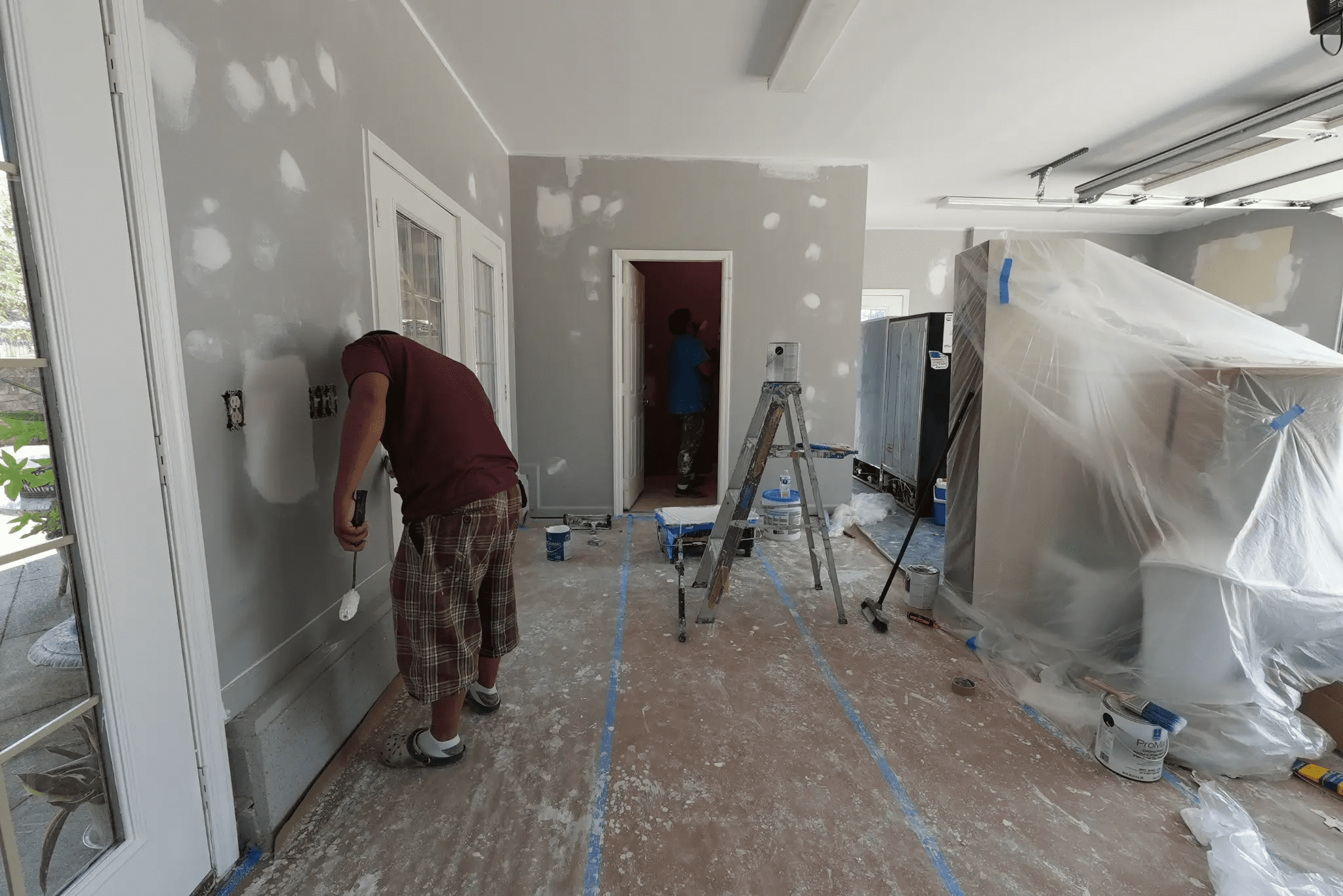
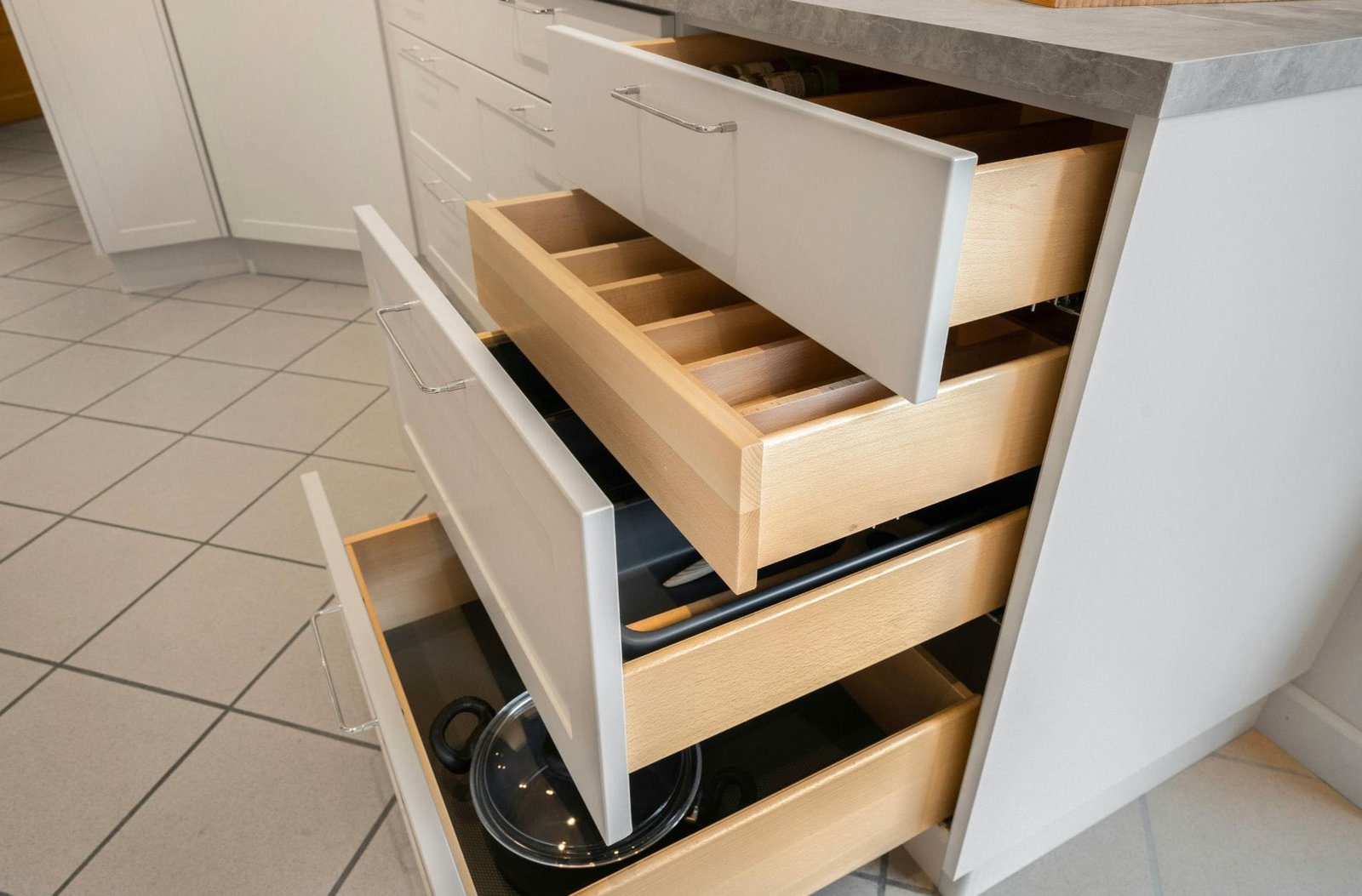
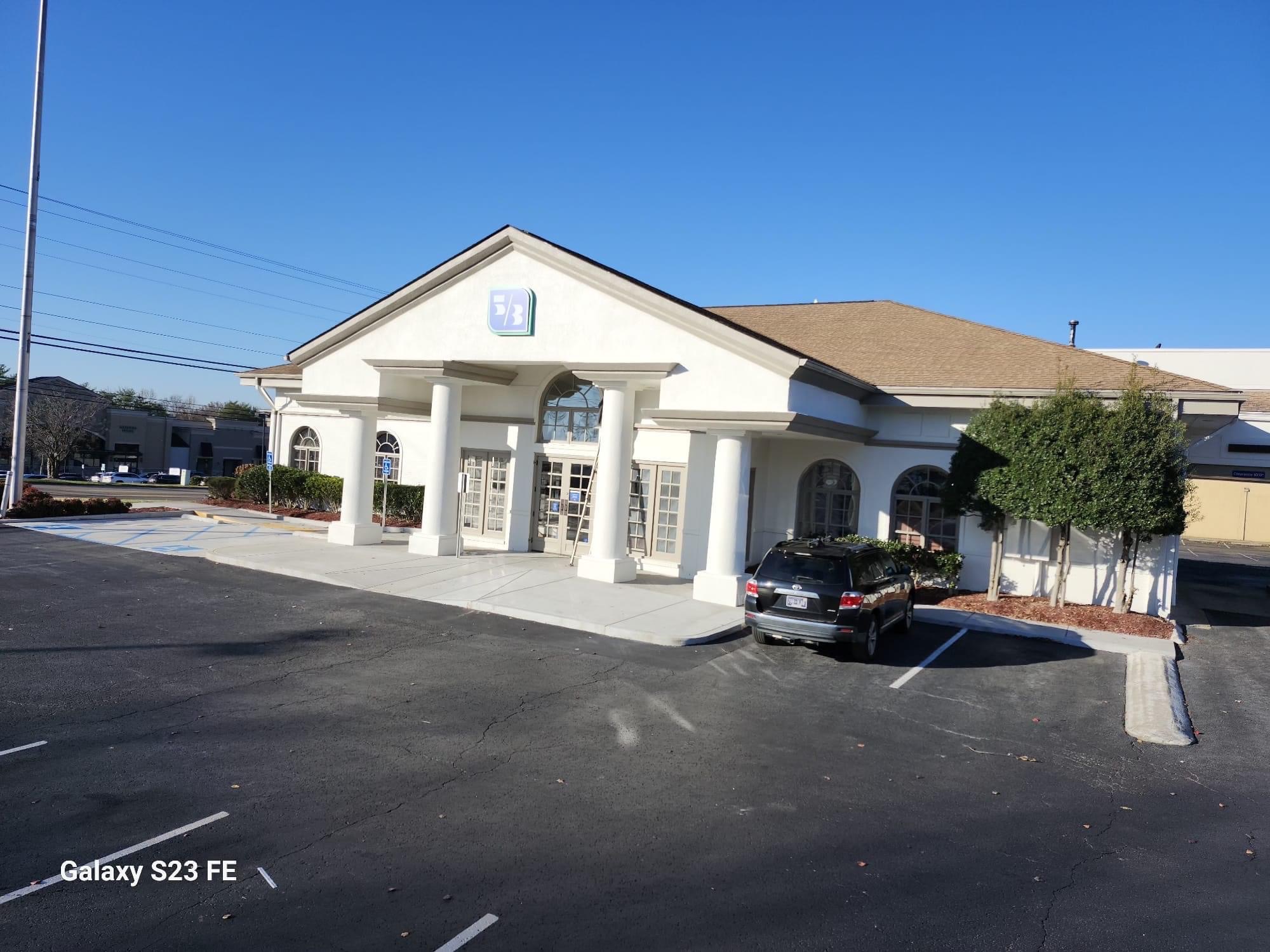
For exterior work, PaintPro South Florida's process starts with pressure cleaning to strip loose paint and dirt, mildew treatment to kill spores instead of covering them, crack filling, and priming chalky stucco before any topcoat goes on. Exterior jobs are scheduled around dry stretches so a fresh coat isn't caught by an afternoon storm before it cures, and canal-front or coastal homes get extra attention to the lower walls where salt splash and irrigation staining concentrate. Cabinet refinishing follows a similar full-prep approach: doors come off, get sanded and bond-primed, then sprayed with enamel in a contained setup rather than repainted in place over old finish.
FAQ
How do I know if it's chalking or just dirt on my stucco?
Wipe a dry section of wall with a clean, damp cloth. Dirt rinses off and leaves the surface color intact. Chalking leaves a fine white or gray powder on the cloth and the wall underneath looks faded or dull rather than simply dusty.
Can I paint over mildew if I kill it with bleach first?
Bleach can kill visible mildew on the surface, but if spores remain in the pores of the stucco or under old paint film, they can resurface after a new coat goes on. A full mildew treatment as part of exterior prep addresses this more thoroughly than a quick bleach wipe-down before painting.
Why does my paint keep failing on the same wall every time?
A wall that fails repeatedly in the same spot usually has an underlying issue that a repaint alone won't fix — commonly a persistent leak, irrigation overspray hitting that section, or a crack that keeps reopening with temperature changes. Identifying and addressing that root cause before repainting is what stops the cycle.
Does the time of year I paint matter in South Florida?
Yes. Exterior paint needs adequate dry time to cure properly, and South Florida's afternoon storm pattern can interrupt that if work isn't scheduled carefully. PaintPro South Florida schedules exterior jobs around dry stretches rather than a fixed calendar date to reduce that risk.
What if my community requires HOA approval before I repaint?
Most HOA and gated communities require a color and finish submittal before work begins. PaintPro South Florida can provide samples, photos and a quote to support that packet, but the homeowner submits it and the board makes the approval decision.
If your walls show chalking, recurring mildew, or peeling that keeps coming back, a free estimate can identify which of these causes applies to your property. Call (754) 218-9744 or use the contact form to schedule a free estimate and get an itemized quote before any work starts.