



What a good interior painting job includes, what actually drives the price, and how to compare quotes from Fort Lauderdale painters before work starts.
A good local interior painting job covers more than rolling color on a wall: it includes moving and protecting furniture, masking trim and floors, patching and sanding damaged drywall, priming where needed, and applying enough coats of the right paint grade to get even, washable coverage that holds up in Fort Lauderdale's humidity. Judging a painter means checking whether their quote spells out each of those steps, not just a total price. This guide covers what drives interior painting costs and how to compare quotes so you know what you're actually paying for.
What Should Be Included in an Interior Painting Job?
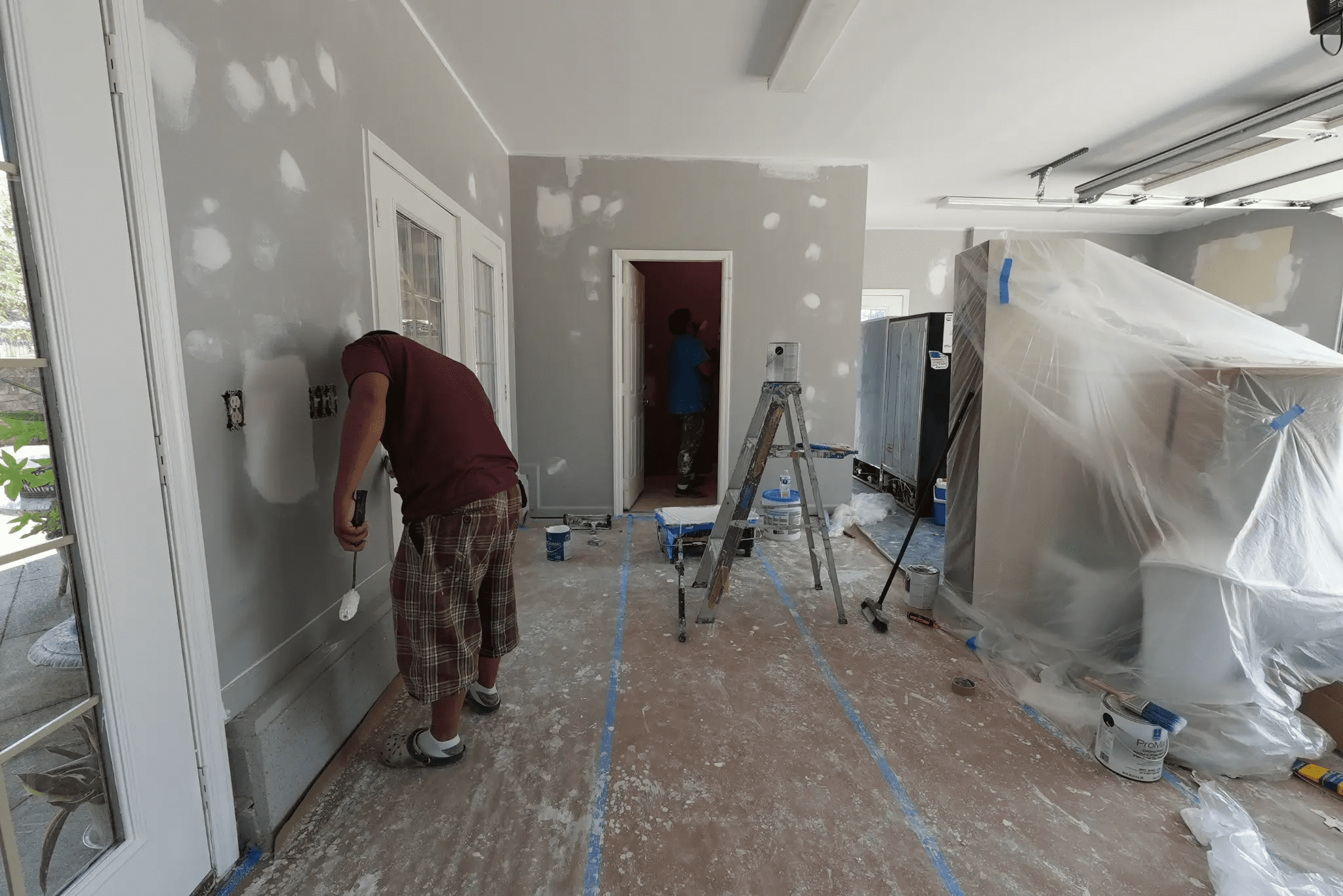
Before color goes on a wall, a contractor should move or cover furniture, mask floors and fixtures, fill nail holes and cracks, sand rough patches, and prime bare drywall or repaired spots so the topcoat doesn't flash or absorb unevenly. On interior painting projects in Fort Lauderdale, this prep work happens before any paint is applied, and it's the step that separates a finish that looks even from one that shows patchy sheen or peeling trim a year later. Ceilings, trim, doors and baseboards are typically priced and finished separately from walls because they use different paint and application methods.
What Drives the Price of Interior Painting?
Several factors combine to set the cost of an interior repaint, and a painter who walks through all of them during a free estimate is giving you a more accurate number than one who quotes over the phone.
- Room size and wall condition: larger rooms and taller ceilings need more paint and labor, and walls with existing damage, stains, or old wallpaper need extra repair time before painting starts.
- Prep and repairs: patching cracks, sanding uneven texture, and priming bare or repaired drywall add time to the job but prevent the topcoat from showing flaws later.
- Paint grade and finish: different rooms call for different products. A moisture-resistant, washable acrylic finish suits kitchens, bathrooms and laundry rooms, while flat builder-grade paint in those rooms tends to pick up condensation and won't wipe clean.
- Number of coats: covering a dark wall with a lighter color, or painting over a stain, often takes more than one coat to get even coverage.
- Ceilings and trim: these are usually priced separately from wall painting because trim uses a different sheen, typically semi-gloss, and ceilings require different masking and application.
- Humidity and cure time: South Florida's summer humidity slows how fast paint cures between coats, so a contractor who plans extra dry time instead of rushing a second coat onto a damp wall is protecting the finish, even if it adds a bit of time to the schedule.
A three-bedroom home typically takes two to four days to paint after furniture is moved and rooms are masked, though humidity and the amount of repair work can extend that timeline. Asking a contractor to walk through these factors room by room, rather than giving a flat square-footage number, is one of the clearest signs you're getting an estimate based on your actual home rather than a generic guess.
How Do You Compare Interior Painters?
Start by asking each contractor for a free estimate that includes an in-person or detailed walkthrough, since paint and labor needs vary room by room. Compare what's included, not just the bottom-line number. A written, itemized quote should break out labor, materials, and any prep or repair work separately so you can see where the money goes and whether one bid is skipping steps another includes. Ask specifically which paint brand and product line is being used. Paint Pro uses Sherwin-Williams premium paints on its residential and commercial work, and the product line affects both coverage and how the finish holds up to daily use and cleaning. Ask whether the quote is guaranteed against hidden add-ons once work starts, or whether repair and prep costs might appear later as separate charges.
What Should a Written Quote Include?
An itemized quote with no hidden fees should list the rooms or areas being painted, the paint brand and finish for each surface, the number of coats, and what prep and repair work is included at that price. It should also state what happens if hidden damage, such as water staining behind a cabinet or deeper drywall cracks, turns up once work begins. A contractor who documents this upfront, rather than leaving it as a verbal promise, gives you something to hold the job to if a dispute comes up later. Paint Pro provides a written 2-year warranty on labor and materials for residential and commercial projects, which is a separate document from the quote but should be mentioned before work starts, not after.
What Should You Do Next?
Walk through your home room by room and note anything that needs repair, such as cracked drywall, peeling trim, or stained ceilings, so you can ask about it directly when you request a quote. Then schedule a free estimate and have the contractor confirm, in writing, the paint grade, number of coats, and prep work for each room before any work begins.
Frequently Asked Questions
How long does it take to paint the interior of a house?
A typical three-bedroom home takes two to four days after furniture is moved and rooms are masked. Humidity can slow cure time between coats, so a contractor may plan extra dry time rather than applying a second coat onto a damp wall.
What paint finish should be used in kitchens and bathrooms?
Moisture-resistant acrylic paint with a washable finish works best in kitchens, bathrooms and laundry rooms, with semi-gloss on trim and doors. Flat builder paint in those rooms tends to pick up condensation and doesn't wipe clean.
Why do quotes from different painters vary so much?
Quotes vary based on how much prep and repair work is included, the paint grade specified, the number of coats planned, and whether ceilings and trim are priced separately. Asking for an itemized breakdown makes it easier to see what's driving the difference.
Can I pay for interior painting over time?
Qualified applicants can apply for financing through Wisetack, which offers payment plans so a project doesn't have to wait until the full amount is saved up.
Does humidity actually affect interior paint jobs in South Florida?
Yes. Summer humidity slows how quickly paint cures between coats. Planning extra dry time instead of rushing a second coat onto a damp wall helps the finish hold up rather than showing flaws later.