




Learn what a lacquered ceiling costs in Boca Raton and why surface prep matters more than the paint, since gloss shows every flaw. Also covers humidity risks and a satin alternative.
A lacquered ceiling is a ceiling finished with a high-gloss coating that reflects light and shows every flaw underneath. It is only worth doing when the surface is prepared smooth first. Get a quote that itemizes prep, coats and cleanup, so you can see what drives the price.
Gloss reflects light, and that is the whole reason a lacquered ceiling looks polished. Sherwin-Williams' gloss and sheen guide describes high-gloss finishes as producing high reflection when dry. The same reflection makes every dent, seam and roller lap easy to see. Flat paint hides those marks, which is why most ceilings are finished flat.
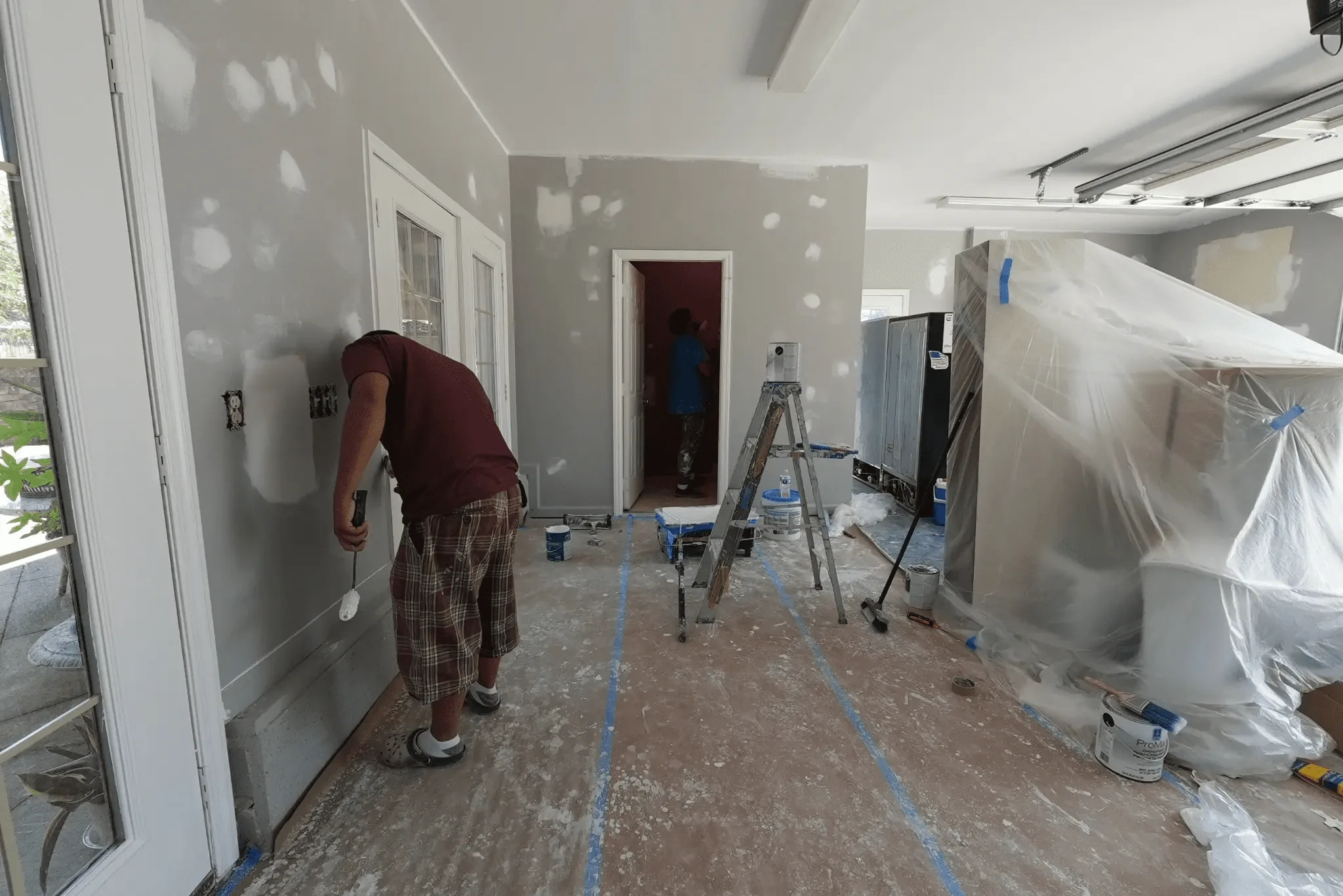
Look at your ceiling under the lights you use most before you decide. Mark any dents, drywall seams or roller marks you can see. If the marks are many, the prep will be a large part of the job. For more on how the work is planned, read our blog on painting tips and advice.
How Much Does It Cost to Lacquer a Ceiling per Square Foot?
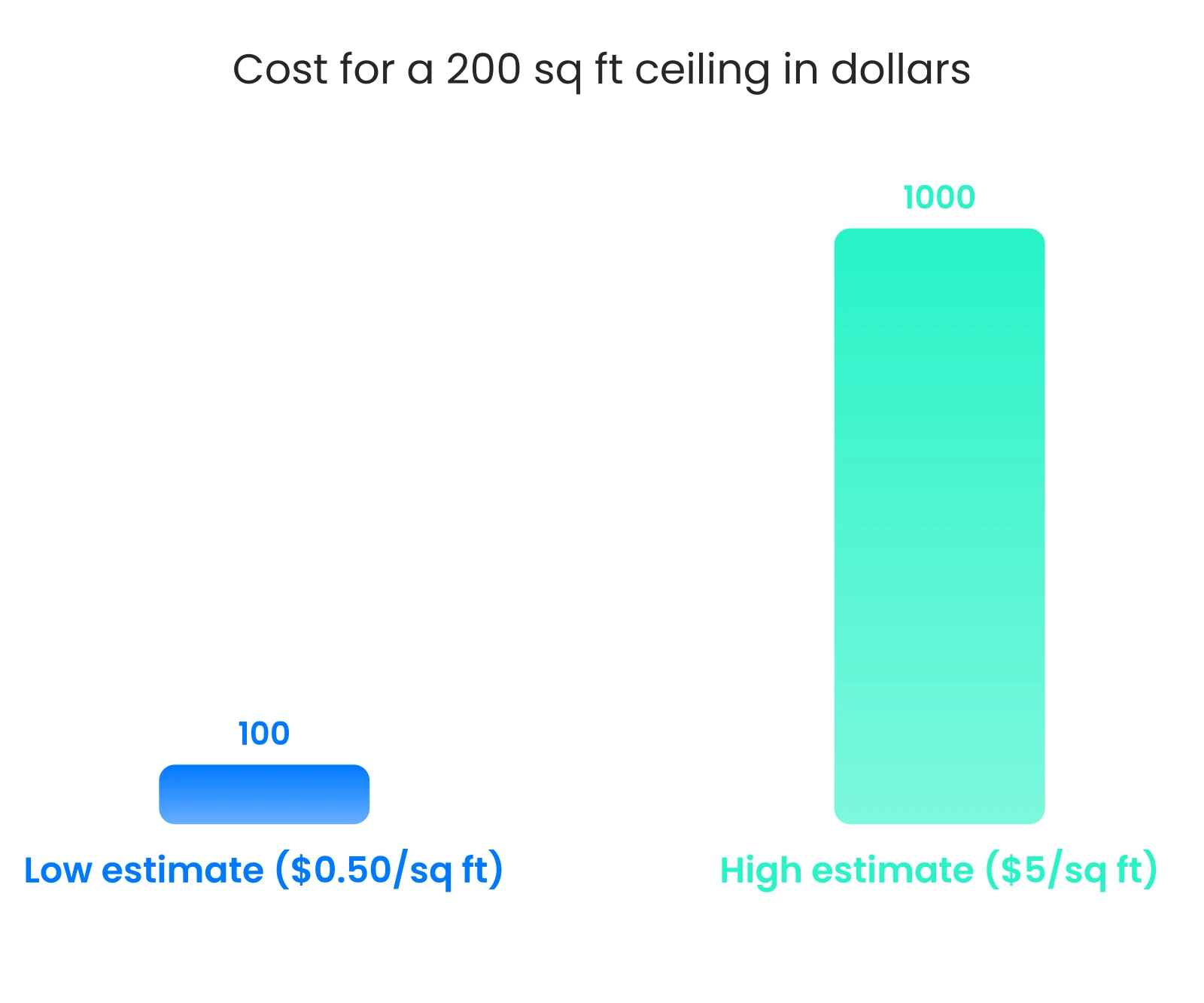
Outside cost sites list a national range of $0.50 to $5 per square foot for ordinary ceiling painting, according to HomeAdvisor's 2025 cost data. Those figures do not price a lacquer finish, so a glossy job is quoted per project. Take a 200 square foot ceiling at the low end of that range: 200 × $0.50 = $100. At the high end it is 200 × $5 = $1,000.
Prep time changes the total more than paint does. Angi's 2026 pricing lists professional painters at $25 to $75 per hour, nationally. If a ceiling needs three hours of patching and sanding at $50 per hour, that adds $150 before any coats go on. Ceiling height also matters, and Angi notes that ceilings above 10 feet can add $100 to $500 for the extra labor.
How Must the Ceiling Be Prepared So the Gloss Does Not Show Flaws?
The surface must be patched, sanded and primed smooth, because gloss exposes any unevenness that flat paint would hide. A high-gloss coating reflects light evenly, so a dent or a lap mark stands out clearly. Prep is the part of the job that decides whether the finish looks clean.
The article The Importance of Gloss and Sheen Levels explains that if a repaired area is smoother or rougher than the surrounding surface, the repair will be visible, even when the paint is applied correctly. Patches must therefore be feathered flush with the surrounding drywall before any coating goes on.
A typical prep sequence has three parts:
- Fill cracks and dents with a patch compound.
- Sand each patch until it blends with the ceiling.
- Apply a primer that seals the surface so the topcoat lays down evenly.
What Are the Risks of a Glossy Ceiling in a South Florida Home?
The main risks are visible imperfections, harder touch-ups and moisture problems in kitchens and bathrooms. Gloss shows every flaw, and a patch that does not match the sheen will show when the light hits it. Humid rooms need a formula made for steam.
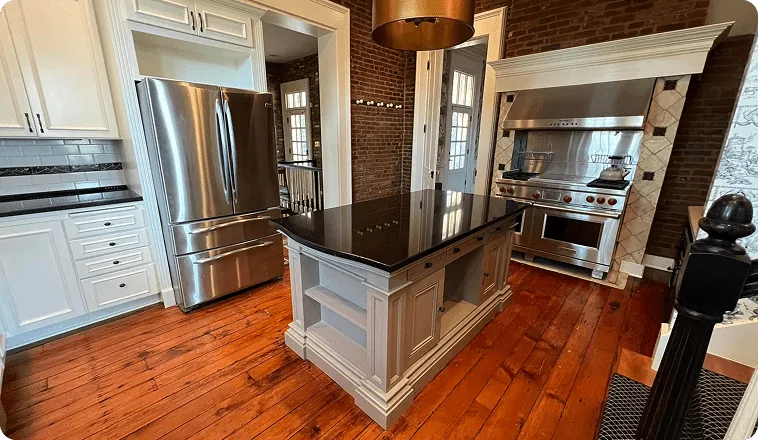
Homes and Gardens advises choosing a formula made for steamier environments in kitchen and bathroom ceilings to avoid bubbling and peeling. The same guide points to low-sheen formulas that are mould resistant and washable for these rooms.
Is There a Lower-Cost Alternative to a Full Lacquer Finish?
A satin or low-sheen finish gives some depth and washability while still hiding more flaws than gloss. Sherwin-Williams' sheen guide explains that satin and low-lustre paints are warmer than flat paints, give a greater appearance of depth, and resist stains better than flat finishes.
Homes and Gardens notes that designers use low-to-mid sheen finishes such as satin to draw attention to a ceiling while keeping the surface forgiving. A satin finish still needs a smooth surface beneath it.
If the look you want is high gloss but the budget is tight, ask a painter whether a satin finish meets your goal. A satin job still needs the same patching and sanding, so compare quotes on that basis.
Frequently asked questions
Does a lacquered ceiling need more prep than a flat repaint?
Yes. Gloss exposes any unevenness that flat paint would hide, so patches must be sanded flush and primed before the topcoat. That prep adds time and cost compared with a standard flat repaint.
Are kitchen and bathroom ceilings a poor place for a glossy finish?
Not always, but the formula matters. Homes and Gardens advises a product made for steamy rooms to avoid bubbling and peeling, and points to low-sheen mould-resistant options for these spaces.
Can a glossy ceiling be cleaned easily?
Gloss is easier to clean than flat paint, according to Resene. The same gloss also highlights surface imperfections, so the ceiling should be smooth before the finish goes on.
Next Step
If you want a quote that breaks out prep, coats and cleanup for your ceiling, request an estimate from PaintPro South Florida.
Related resources
Learn more about our interior painting services.