



Learn what interior and exterior painting typically costs, how to vet a painting contractor, and what a written quote should include so you can compare bids line by line.
Outside benchmarks put an interior repaint at roughly $1,000 to $3,000 and an exterior at about $1,800 to $4,500. Prep scope, stories, siding and paint grade move that number, so compare written quotes line by line. If you are searching for painting services near me, check license, insurance and references first, then pick the bid that spells out prep, products and coats.
What does house painting cost, and what drives the price?
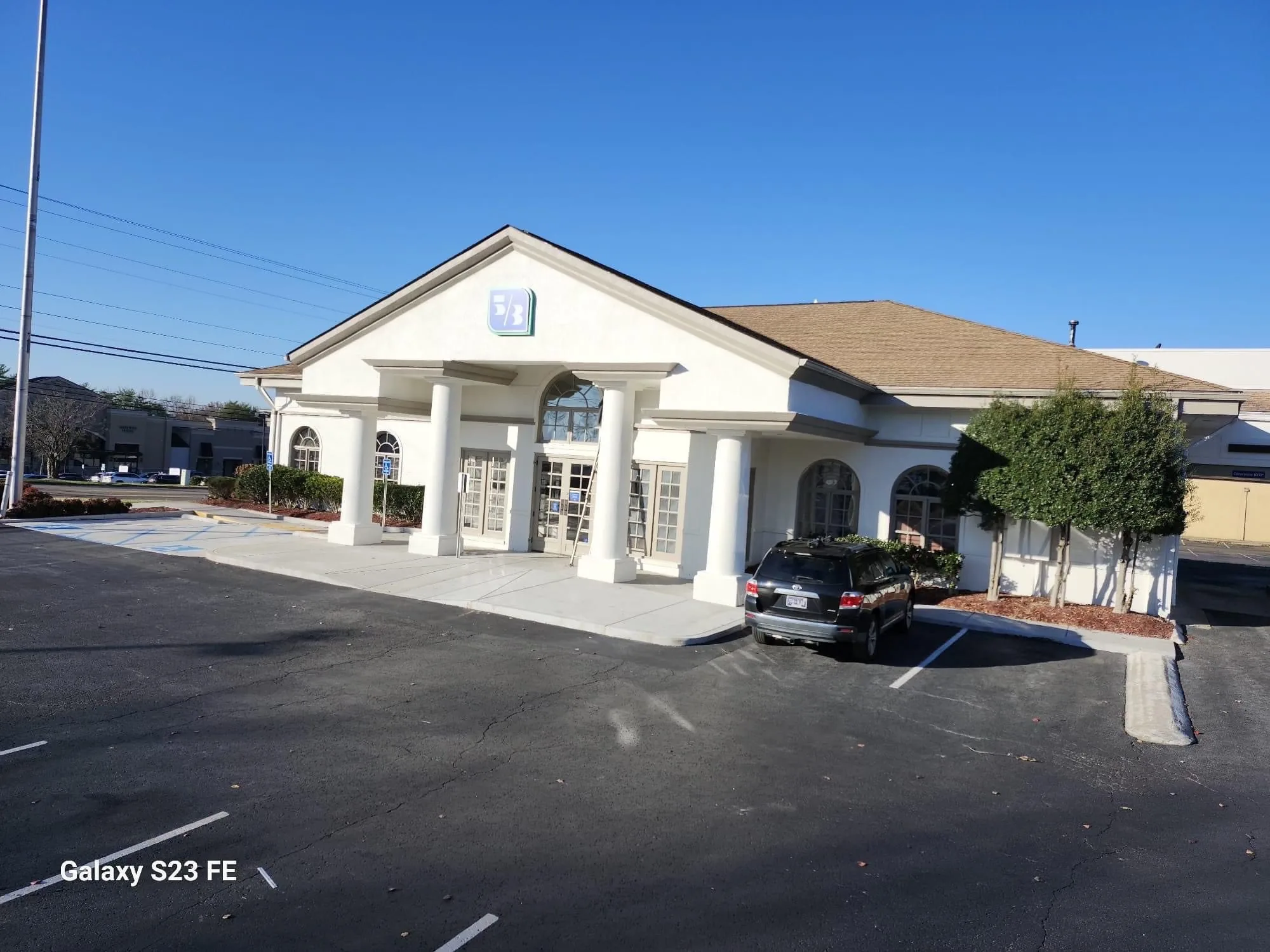
NerdWallet reports, from 2026 Angi data, that interior painting runs from just under $1,000 to over $3,000 nationally, with an average of $2,021. It puts exterior jobs at about $1,800 to $4,500, averaging $3,177, or $1.50 to $4 per square foot. These are national outside benchmarks, not PaintPro quotes.
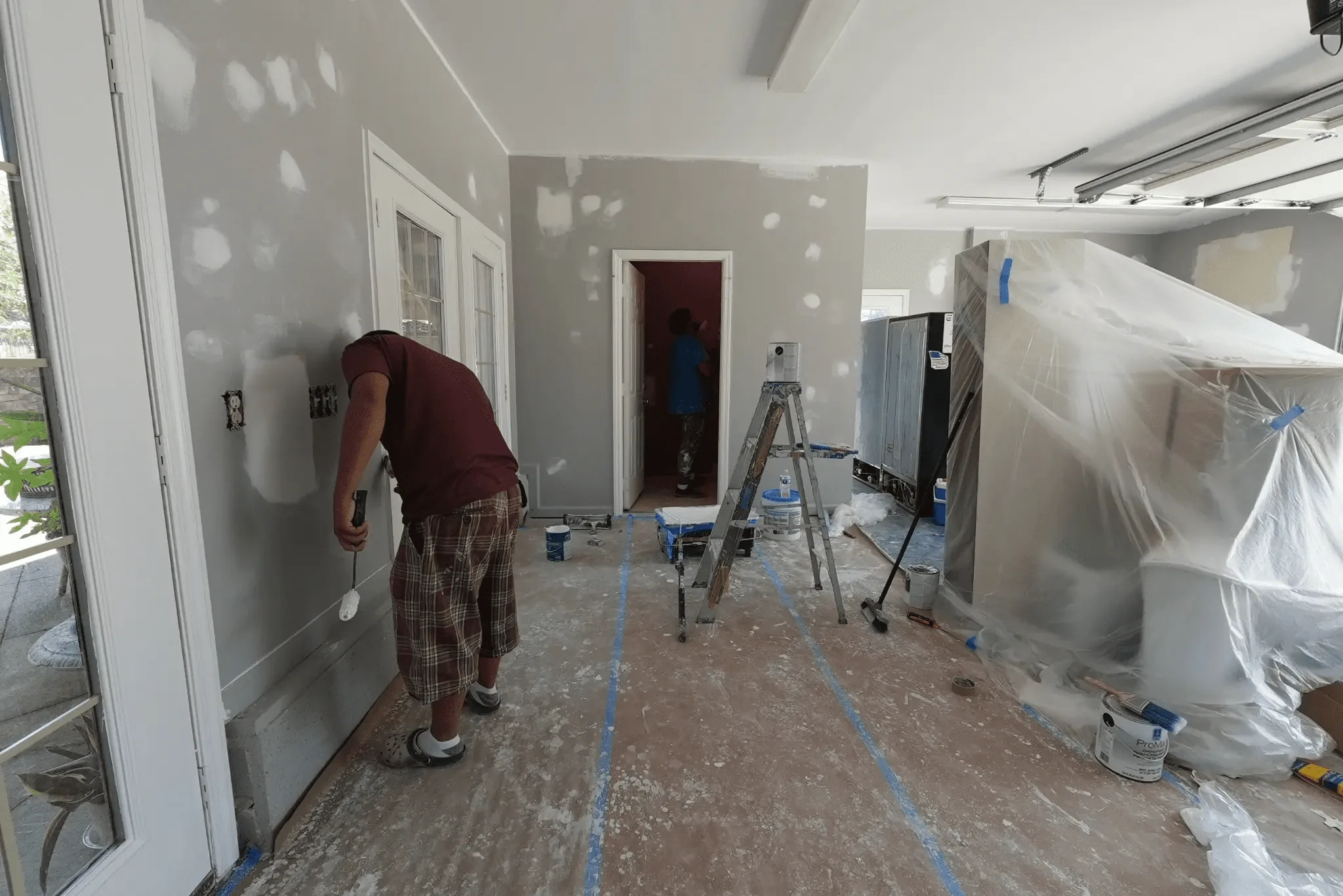
An extra story and the type of siding change the exterior price most. Inside, the cost list includes cleaning, sanding, repairs, priming, caulking, cleanup and moving furniture, according to Benjamin Moore. Every item you add to the scope adds labor.
Why do benchmark prices disagree?
Per-square-foot, hourly and flat-rate methods each measure a different scope, so use them only as a sanity check. Here is how the national figures line up:
| Source | Figure | What it measures |
|---|---|---|
| NerdWallet (2026) | $1,800–$4,500 exterior; $1.50–$4 per sq ft | Exterior jobs |
| HomeAdvisor (2026) | $2–$6 per sq ft; $20–$50 per hour | General painting |
| This Old House | $40–$100 per hour per painter | Professional contractors |
| Benjamin Moore | $1.50–$2.00 per sq ft | Rough base rate some contractors use |
Benjamin Moore also notes that some contractors multiply paint cost by 4 to 6, and some simply offer the lowest price to outbid the competition. A low number may mean skipped steps. A high one may mean a fuller scope. Neither tells you much until you see what is written under it.
How much of the price is paint?
Paint is a small share of the bill; labor and prep are most of it. HomeAdvisor says a gallon averages $25 to $50 and covers about 350 square feet with one coat.
Paint covers about 350 square feet per gallon per coat, so a single gallon at $25 to $50 only covers a modest stretch of wall. Even a house that needs several gallons for two coats spends a few hundred dollars on paint at those prices. Set that against NerdWallet's $1,800 to $4,500 exterior range, and most of the rest goes to labor, prep and supplies. That is why two bids can differ by thousands while using similar paint.
How do you vet a painting contractor?
Check license and insurance, look at past work, ask for referrals and collect about three quotes. This Old House notes that licensing and insurance rules vary by state and municipality, so verify that anyone you hire is properly credentialed and insured.
Benjamin Moore suggests searching with your ZIP code, then reading ratings and testimonials. If you see no photos of past projects, ask the painter for examples. Friends, family and your local paint store are good sources of referrals. Plan three consultations, and give each contractor the same project details so the bids match.
What questions should you ask in the walkthrough?
Ask what prep is included, who supplies materials, how many coats are planned and how surroundings will be protected. Taskrabbit offers the same list of questions.
Also ask for more than one product option, such as two primers or paints, and have the painter explain the difference. Benjamin Moore points out that the answer shows how well the painter knows the craft. Watch for rapport too, since this person will be in and around your home.
What should a written painting quote include?
A written quote should cover prep, products, coats, schedule, payment terms and what happens if hidden damage appears. Benjamin Moore calls a written contract imperative, and says it should detail surface preparation, the paint products, timing and payment terms.
Add coats per surface and rooms or areas covered. Ask what happens if water staining or deeper cracks turn up once work starts. Use this pass/fail check on each bid:
- License and insurance verified.
- Prep steps listed, not summarized.
- Paint brand, product and finish named for each surface.
- Number of coats stated.
- Schedule and payment terms written down.
- Hidden-damage handling explained.
- Warranty terms stated before work starts.
A bid that fails two or more is not comparable to one that passes. You can read more painting guidance on the blog.
What prep does stucco need before exterior painting?
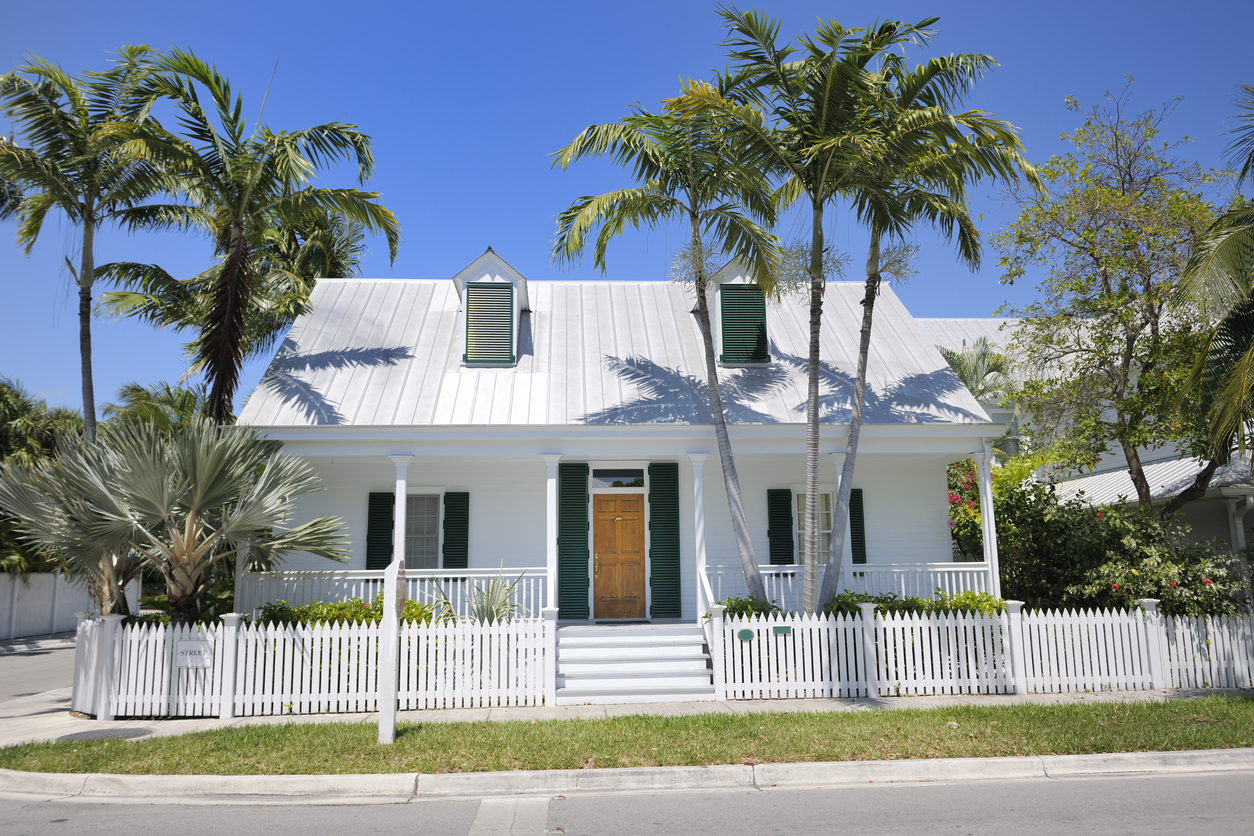
Stucco needs pressure-cleaning, mildew treatment, crack filling, scraping of loose paint and priming of chalky areas, all timed around South Florida weather. Stucco is a cement-based wall. It chalks when old paint breaks down into powder, and new paint will not grip powder, so a good crew primes it first.
Mildew is a living growth that has to be treated, not just painted over. Irrigation rust stains and canal-front splash need their own fixes before color goes on. Exterior work goes best in dry stretches and mornings, which avoids the afternoon storm cycle. A stucco prep guide goes deeper on cracks and coatings.
Which paint quality and finish choices matter?
Pay for better paint where wear and moisture are highest, and match sheen to the room. Sheen is how glossy the dried paint looks. HomeAdvisor lists average gallons at $25 to $50, with designer lines over $100.
Kitchens, bathrooms and laundry rooms take a moisture-resistant, washable finish, and trim and doors take a harder, glossier one. Ceilings and low-traffic bedrooms rarely need the top grade. Because paint is such a small part of the total, moving up a grade adds a modest amount to the bill rather than doubling it. That is cheap protection on exterior walls facing sun and salt air.
Should you repaint, replace or refinish cabinets?
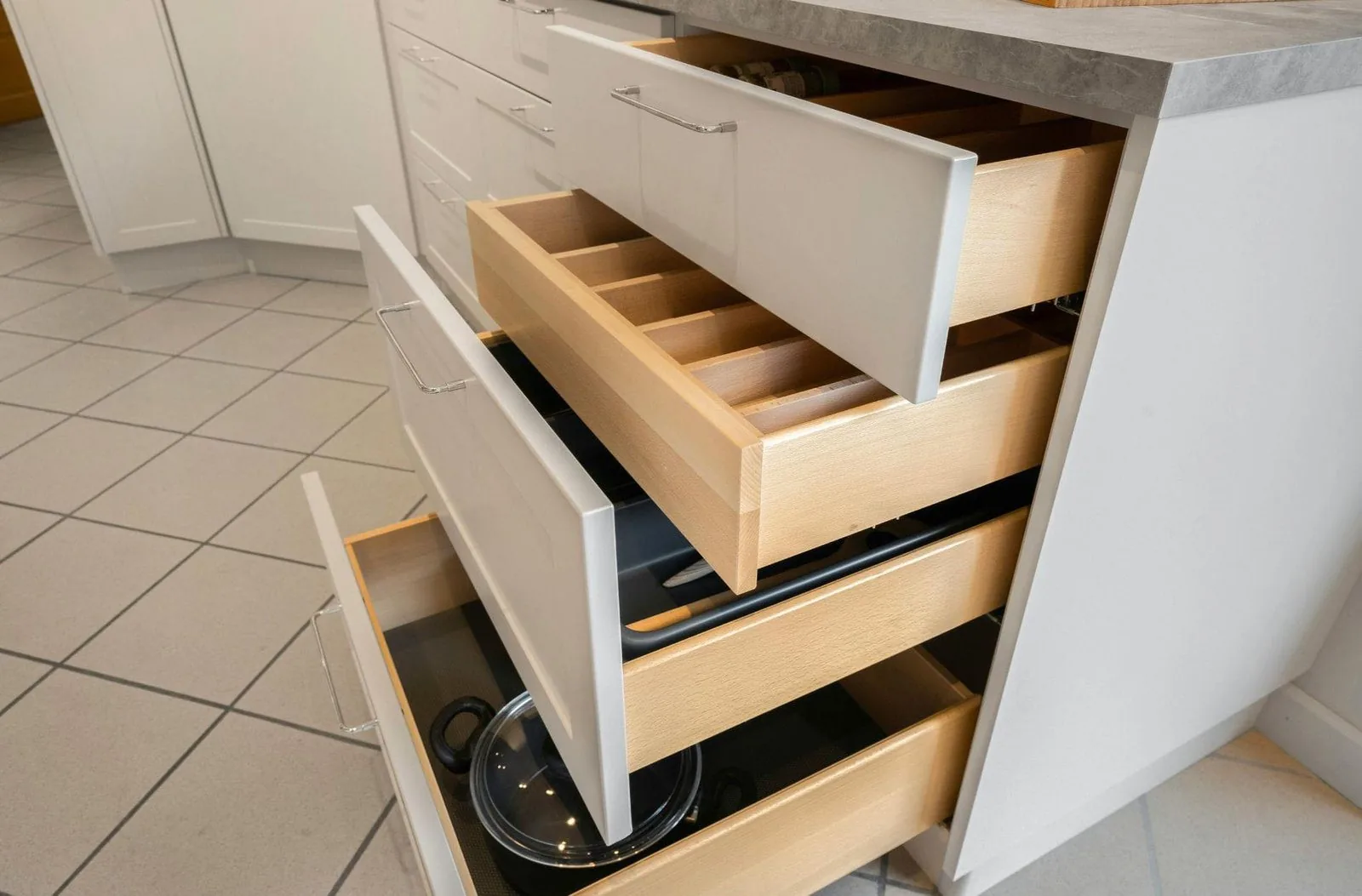
If the boxes are sound, refinishing is the lower-cost route. HomeAdvisor puts small jobs like kitchen cabinets or trim at $200 to $2,000 nationally. Replacement makes sense when boxes are water-damaged, sagging or the layout needs to change.
A lasting cabinet job means doors off, degreased, sanded, primed with a bonding primer, then sprayed with enamel. Skipping the degrease or the primer is why cabinet paint peels near the stove. At PaintPro South Florida, most kitchens are usable again within a few days. See what drives a cabinet painting quote to get started.