




Learn the order pros use on an interior repaint, when painting trim first makes sense, and how prep, taping and sheen affect the result. Includes a simple rule for choosing between walls first and trim first.
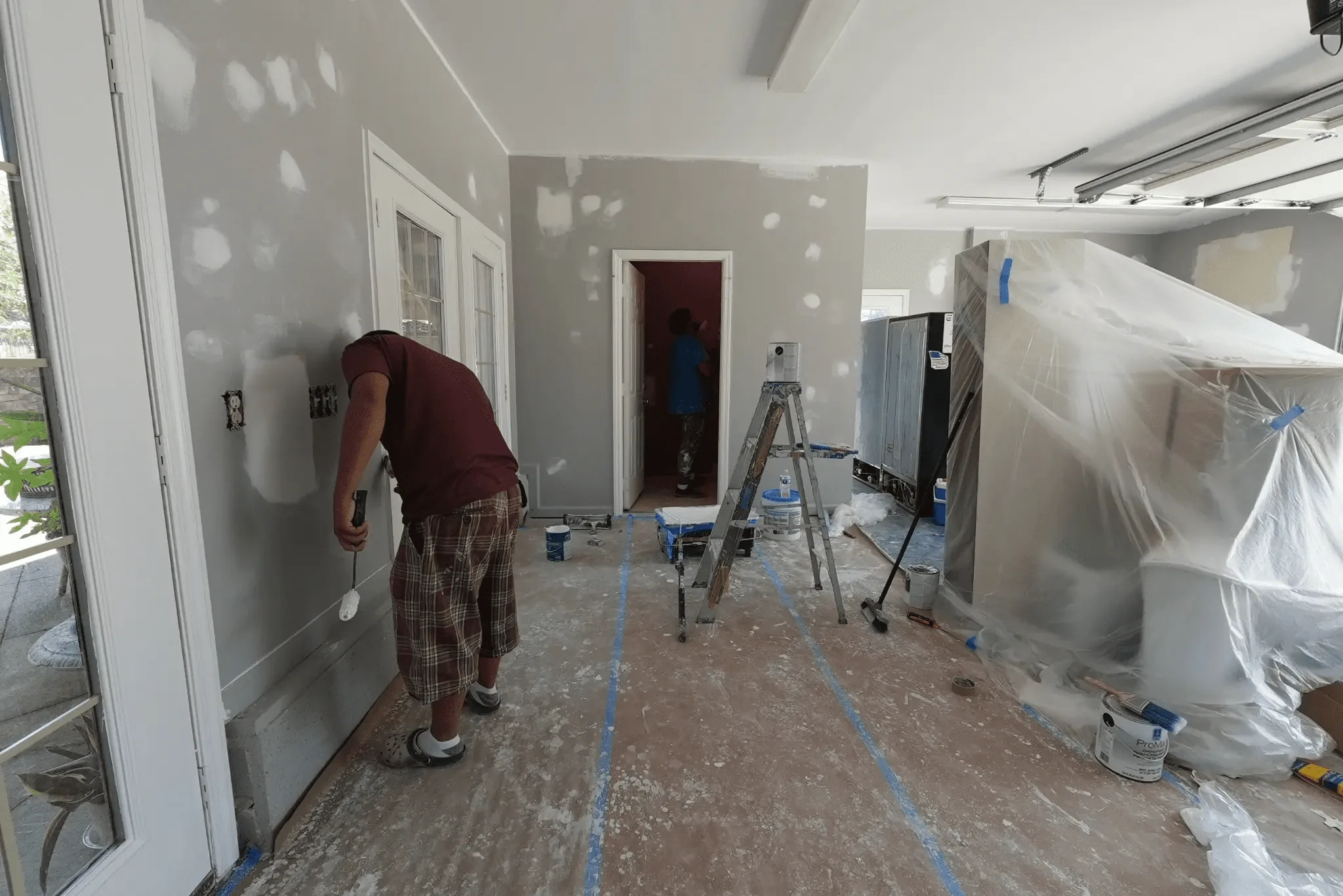
On an interior repaint, work top down: ceilings first, then walls, then trim and doors. That order keeps drips and roller splatter off surfaces you have already finished. Painting trim first is a valid alternative if you have a steady brush hand and plan to tape over the trim once it dries.
What order should you paint an interior room in?
The default is ceiling, walls, trim and doors, with the floor last if you are painting it. Gravity and roller splatter set that order. Sherwin-Williams says to start with the ceiling to avoid drips on freshly painted walls, and to move to the walls once the ceiling is dry.
Dutch Boy lists the same sequence: ceiling, walls, doors, then trim, molding, windows and cabinets. It advises thinking of the room from top to bottom, which makes cleanup of accidental drips easier.
| Surface | Prep | Tool | Sheen | Protect |
|---|---|---|---|---|
| Ceiling | Clean, patch, prime repairs | Roller on an extension pole | Per can | Walls and trim |
| Walls | Wash, patch, prime repairs | Brush for a 2-inch strip at edges, then roller | Washable acrylic in kitchens, baths and laundry rooms | Trim and floor |
| Trim and doors | Caulk gaps, sand gloss, prime repairs | Small quality brush | Semi-gloss | Adjacent wall, if the walls are done |
Should you paint trim or walls first?
Walls first is the more forgiving default. Trim first works when you cut in well and tape over dry trim.
Bob Vila reports that most professional painters start with the walls, and that for most DIYers this route lets you work quickly without stressing over precision at the edges. Painting trim first can make taping and cutting in easier, especially if you are confident with a brush. Once the trim is fully dry, it is often easier to run tape along it than to tape intricate trim edges beforehand.
A simple decision rule:
- Choose walls first if you are refreshing existing trim, your brush control is average, or you want speed.
- Choose trim first if the trim is new or heavily repaired, you have a steady hand, and you are willing to wait until it is fully dry before taping.
- If the trim is high-gloss, trim first gives it more drying time, as The Spruce notes.
Why do the big paint brands disagree on trim order?
They assume different jobs. A repaint with little time to tape fresh paint favors trim last. A trim refresh where you tape dry trim favors trim first.
The Sherwin-Williams FAQ says that on repaints the order is ceiling first, walls second, trim last. Roller splatter could land on freshly painted trim, and repaint work rarely leaves enough time to tape over fresh paint. Benjamin Moore says to paint the trim first and protect it with painter's tape. Its logic is that you paint walls up to the trim and protect the trim with paint, so you may not need to tape the walls. Both approaches work. Pick the one that matches your schedule and patience.
How do you prep walls and trim before painting?
Surfaces need to be clean, dry, dull and sound, according to Fine Homebuilding. That means washing walls, repairing damage and caulking baseboards and trim before any primer opens.
In South Florida, humidity and cooking grease make cleaning matter more than most people expect. Wipe walls, let them dry, and patch dents and nail holes. Benjamin Moore advises sanding existing high-gloss trim so it accepts new primer or paint. Then clean it with a damp sponge and let it dry. Skipping this step is a common reason a trim coat peels later.
Caulk and primer come before the first coat. Caulk gaps between wall and trim, and make sure the caulk is fully cured before you prepare the trim for paint. Prime all repairs, and give heavily repaired trim a full coat of primer. Primer on bare patches keeps them from showing through as dull spots under the finish coat. So the working order is: patch, caulk, prime spots, then paint top down.
How do you get sharp lines where trim meets walls?
Tape the borders, cut in with a small quality brush, and tape over dry trim rather than fresh paint. Sherwin-Williams says painter's tape on the borders between walls, trim and ceilings helps you get sharp lines. For trim, it recommends a small brush for precise edges.
If you paint walls first, brush a strip of wall paint along the trim, then roll the rest of the wall. Sherwin-Williams suggests a 2-inch strip along the ceiling, floor and woodwork before rolling. Press the tape edge down firmly. Where the trim is intricate, cutting in by hand often beats tape.
What paint and sheen suit trim versus walls?
Use semi-gloss or gloss on trim, and washable, moisture-resistant acrylic on walls in kitchens, baths and laundry rooms.
Sheen also affects order. Glossier paint shows brush marks and splatter more, so many painters keep wall rollers away from finished trim. High-gloss also takes longer to dry, which is why some people paint it first.
Drying time matters here too. Follow the recoat time on the can, and let trim dry fully before taping over it. The label is the authority, because drying depends on the product, film thickness and air. Humid South Florida air can stretch those times, so check the label rather than guessing. If you tape too early, the tape can lift fresh paint. When in doubt, wait longer, and pull tape slowly at a low angle.
What about doors, and rooms in a larger repaint?
Doors follow walls in the top-down sequence. In a multi-room job, finish one room at a time so wet edges and tape lines stay under control.
Larger scopes need more planning. Our apartment repaint plan covers multi-unit work, and businesses can see our Plantation commercial painting page. If you manage an office or retail space, what a commercial interior quote covers is the place to start.