





Chalking, peeling, and staining on stucco in South Florida usually point to prep or moisture issues, not the paint itself. This guide ranks the causes and shows when to call a contractor.
Stucco painting problems in South Florida almost always trace back to what happened before the color went on, not the paint itself. Chalking, hairline cracks, bubbling and dark streaks on a stucco wall usually mean moisture or salt is getting past the coating, and the fix depends on catching the right cause early. This guide ranks the likely causes from most to least common, gives a few checks a property owner can do safely, and flags when the job needs a licensed crew.
What Stucco Symptoms Usually Mean in Fort Lauderdale and Broward County
Stucco is porous by nature, and in Fort Lauderdale and the rest of Broward County it takes on more than most exterior surfaces: constant humidity, intense UV, salt-laden air near the coast and canals, and heavy seasonal rain. When a coating fails on stucco, the surface is usually telling you one of a few things: the substrate is absorbing moisture it shouldn't, the old paint film has broken down from sun exposure, or the prep work underneath was incomplete. Peeling, chalking (a powdery residue that rubs off on your hand), and dark or greenish staining are the three most common complaints property owners bring to a painting contractor in this market.
Likely Causes, Ranked from Most to Least Common
1. Skipped or Rushed Surface Preparation
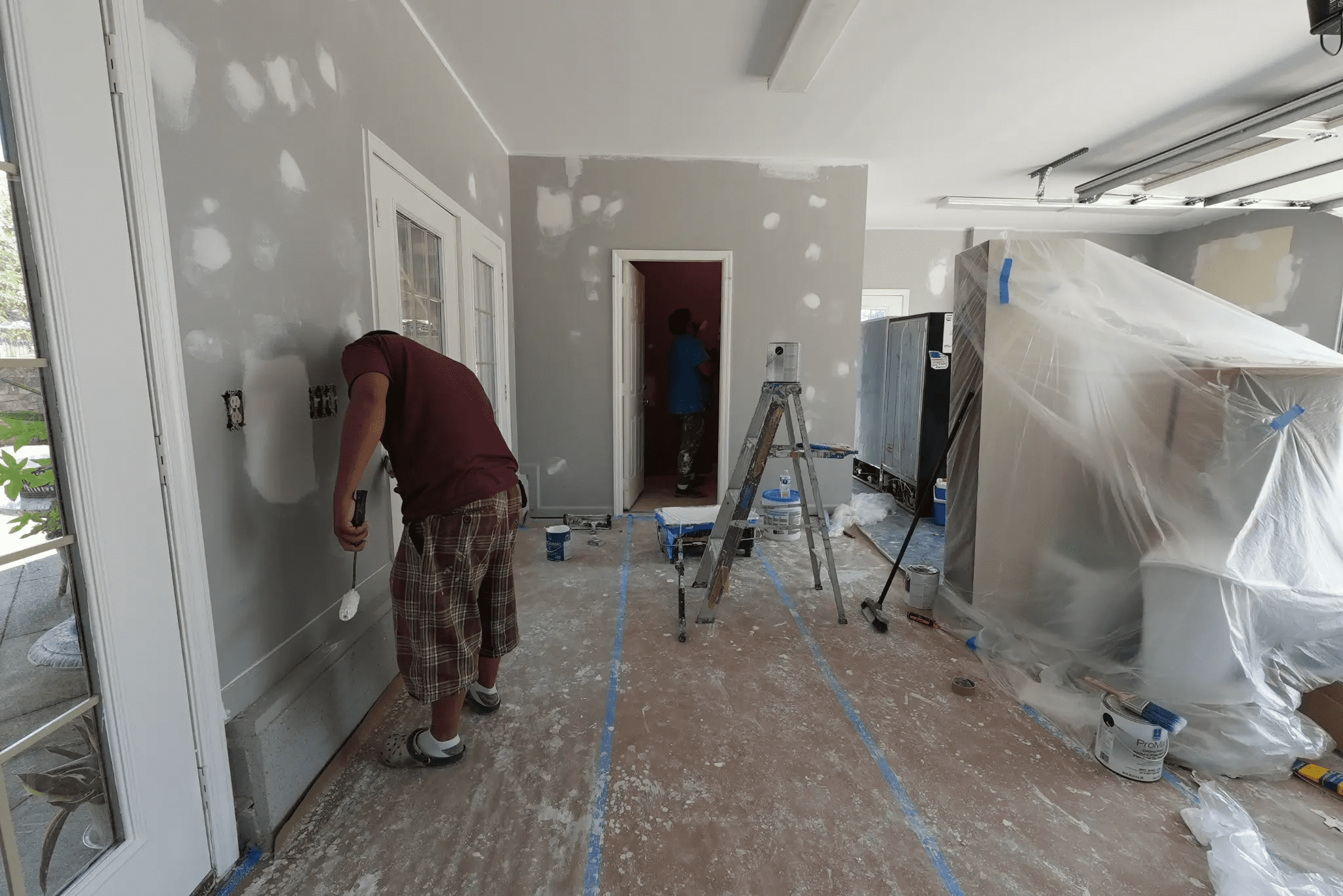
The most frequent reason stucco paint fails early in South Florida is that it went on over dirt, mildew, or chalky residue instead of a clean, sound surface. PaintPro South Florida's own process for exterior work involves pressure-cleaning the stucco, killing mildew, filling cracks, scraping loose material, and priming before any color is applied. Skipping that sequence is a documented reason coastal and canal-front paint peels within a couple of years.
2. Salt Air and Humidity Breaking Down the Film
Homes and buildings near the coast or on canals take the worst of the salt air, and that exposure accelerates film breakdown on lower-grade paints. This is why elastomeric coatings and waterproofing treatments matter more here than in drier climates — they flex with the stucco and resist moisture intrusion better than a standard acrylic topcoat.
3. Cracks and Drywall-Adjacent Repairs Left Untreated
Stucco cracks let water behind the surface, and once that happens, paint on top of an unrepaired crack will bubble or peel regardless of the coating quality. Crack filling and any related drywall repair need to happen before priming, not as a patch job after the fact.
4. Wrong Timing for Exterior Application
Stucco paint that goes on too early in a wet season, or gets rained on before it cures, often shows adhesion problems later. PaintPro South Florida schedules exterior work around drier stretches in cooler months and, during summer, starts after morning dew burns off and finishes before the afternoon storm pattern typically rolls in. Applying coating outside those windows is a less common but still real cause of premature failure.
5. HOA-Restricted Color or Coating Choices That Don't Match Conditions
Less commonly, an approved HOA palette or coating spec doesn't account for a home's specific sun or moisture exposure, leading to uneven wear across a building or community. Properties operating under an association's rules should review the HOA exterior painting requirements for South Florida before scheduling, since approval timing and coating choices are usually spelled out there.
Safe Checks a Property Owner Can Do Before Calling Anyone
- Rub a dry hand across a shaded section of stucco — a chalky white residue usually means the topcoat has weathered and needs attention before repainting.
- Look closely at any hairline cracks; if you can fit a fingernail edge into one, it likely needs filling, not just a coat of paint over it.
- Check for dark or greenish staining in areas that stay shaded or damp longest, which often points to mildew rather than a structural issue.
- Note which walls face the coast, a canal, or get the most afternoon sun, since those elevations typically wear fastest and may need attention sooner.
- Avoid pressure washing stucco yourself at high settings — it can drive water into hairline cracks and worsen the problem rather than clean it.
Signs It's Time to Call a Painting Contractor
- Peeling or bubbling paint on more than a small patch, especially on coastal or canal-facing walls
- Cracks wider than a hairline, or new cracks appearing after a storm season
- Staining that returns quickly after a simple wash, suggesting moisture is trapped behind the surface
- An HOA notice requiring exterior work within a set timeframe
- A commercial building where interior operations can't be disrupted, requiring night or weekend painting shifts
PaintPro South Florida handles this kind of diagnosis as part of a free estimate: a consultation, a look at the actual stucco condition, and an itemized quote with no hidden fees. Every project — residential or commercial — comes with a written 2-year warranty on labor and materials, and the company uses Sherwin-Williams paints along with elastomeric coatings and waterproofing treatments on commercial stucco, brick, metal and concrete exteriors. Property owners and managers in Fort Lauderdale and nearby Broward County communities can schedule a free estimate to get a stucco condition assessed before committing to a full repaint.
FAQ: Stucco Painting in South Florida
How often does stucco need to be repainted in South Florida?
There's no fixed number of years that applies to every property — sun exposure, coastal salt air, and prep quality all affect how long a coating lasts. Stucco that shows chalking or peeling is due for attention regardless of how long it's been since the last paint job.
Can I paint over chalky stucco myself?
Chalky residue needs to be cleaned and primed before new paint will bond properly. Painting directly over chalk without that prep is a common reason a fresh coat fails quickly.
Does HOA approval affect which paint or coating I can use on stucco?
Many HOAs in South Florida require an approved color palette and sometimes specify coating types. Reviewing the community's requirements before scheduling helps avoid rework after the crew has already started.
What's different about painting commercial stucco versus a house?
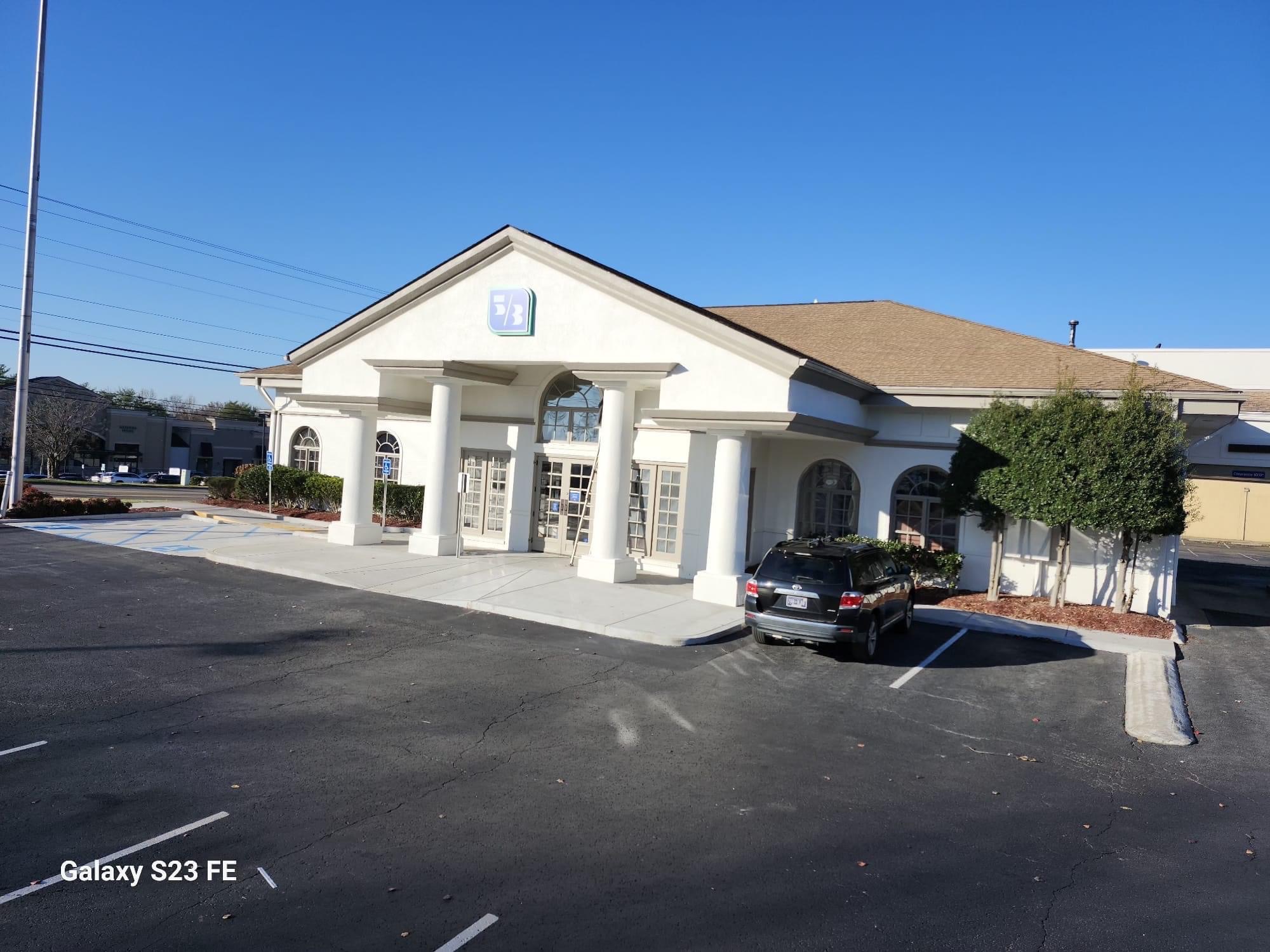
Commercial stucco painting often involves elastomeric coatings and waterproofing treatments for larger exposure to weather, and scheduling frequently needs to happen during night or weekend shifts so the building stays open during business hours.
Is a written warranty included on stucco painting projects?
Yes — every project from PaintPro South Florida, including stucco work, comes with a written 2-year warranty covering labor and materials.