



Salt air, humidity and sun all work against exterior paint in South Florida, and the real damage usually starts underneath the coating rather than on the surface. Here's what causes coastal paint failure and how proper prep prevents it.
Exterior paint peels near the coast because salt air keeps the wall surface damp underneath the paint film, and that trapped moisture breaks the bond between paint and substrate long before the coating wears out on top. In Fort Lauderdale and other South Florida communities, that same moisture combines with heat, humidity and storms to speed the process, so a repaint that skips prep can start failing within a couple of years instead of holding its full life.
Why Fort Lauderdale and South Florida Homes Peel Faster Than Inland Homes
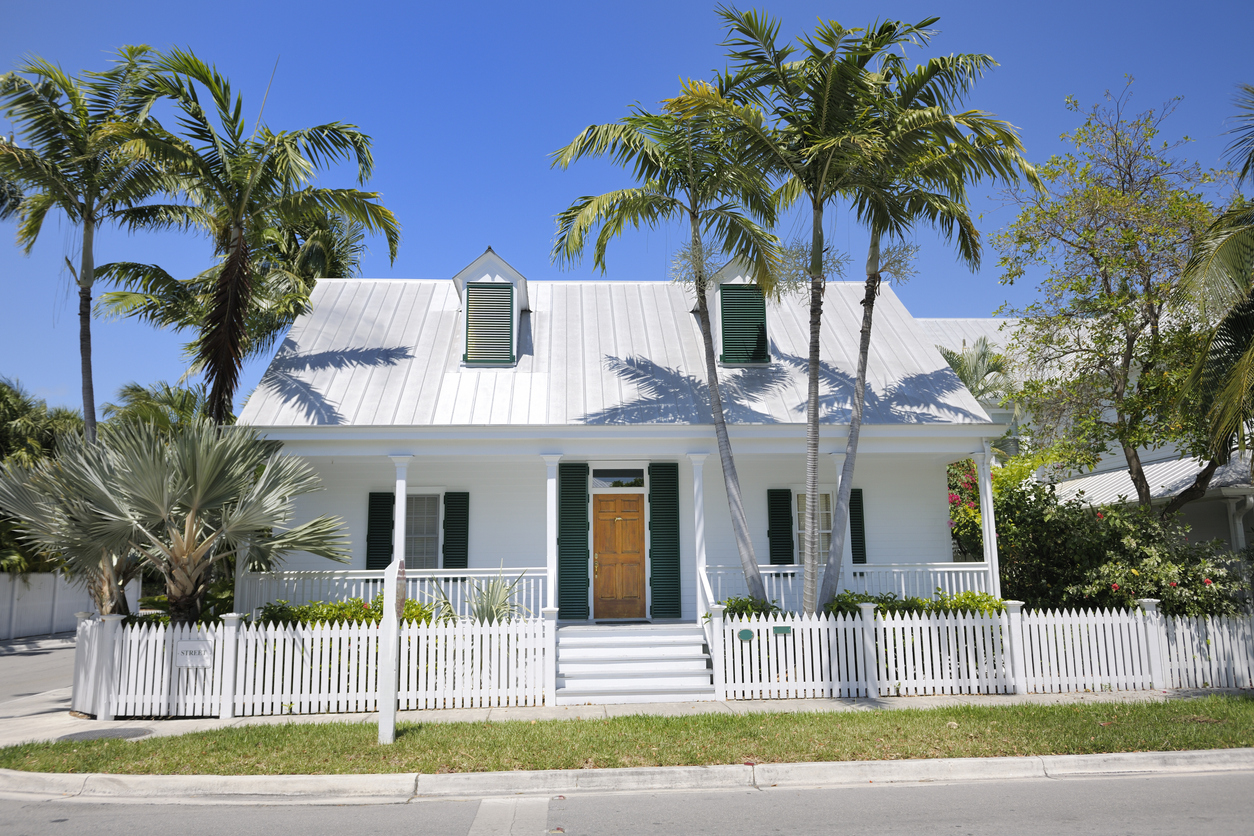
Salt is hygroscopic, meaning it pulls moisture out of the air and holds onto it. Wind carries salt off the water and deposits it on stucco, brick and trim throughout Broward County, and that salt sits on the surface attracting dampness even on dry days. The moisture works down into the wall beneath the paint film rather than sitting on top of it, which is why paint failure on coastal and canal-front homes rarely starts as a surface problem. It starts underneath, where the bond between the coating and the substrate is weakest.
A few things happen once that moisture is trapped. New paint applied over a damp, salt-loaded surface can struggle to cure and bond correctly from day one. Where paint is already on the wall, the salt drawn through crystallizes and physically pushes the coating away from the surface, which shows up as the blistering and flaking homeowners notice. Salt also speeds up corrosion on any metal near the paint line, such as nail heads, flashing or fasteners, and rust stains bleeding through the finish are usually a sign that corrosion is lifting the paint from those points outward.
Heat, Humidity and Storms Add to the Problem
Salt air is not the only stress on a South Florida exterior. Intense sun breaks down coatings over time, and repeated cycles of heat during the day and cooler, damp nights make coatings expand and contract, which stresses the paint film at the surface it is bonded to. Heavy rain and storm humidity add moisture on top of what salt air already introduces, and stucco that was chalking or cracked before painting gives moisture even more ways to get underneath the coating. This combination is part of why exterior work benefits from being scheduled around drier stretches of weather rather than painted on a fixed calendar date, regardless of conditions.
Is It Bad Paint or Bad Prep?
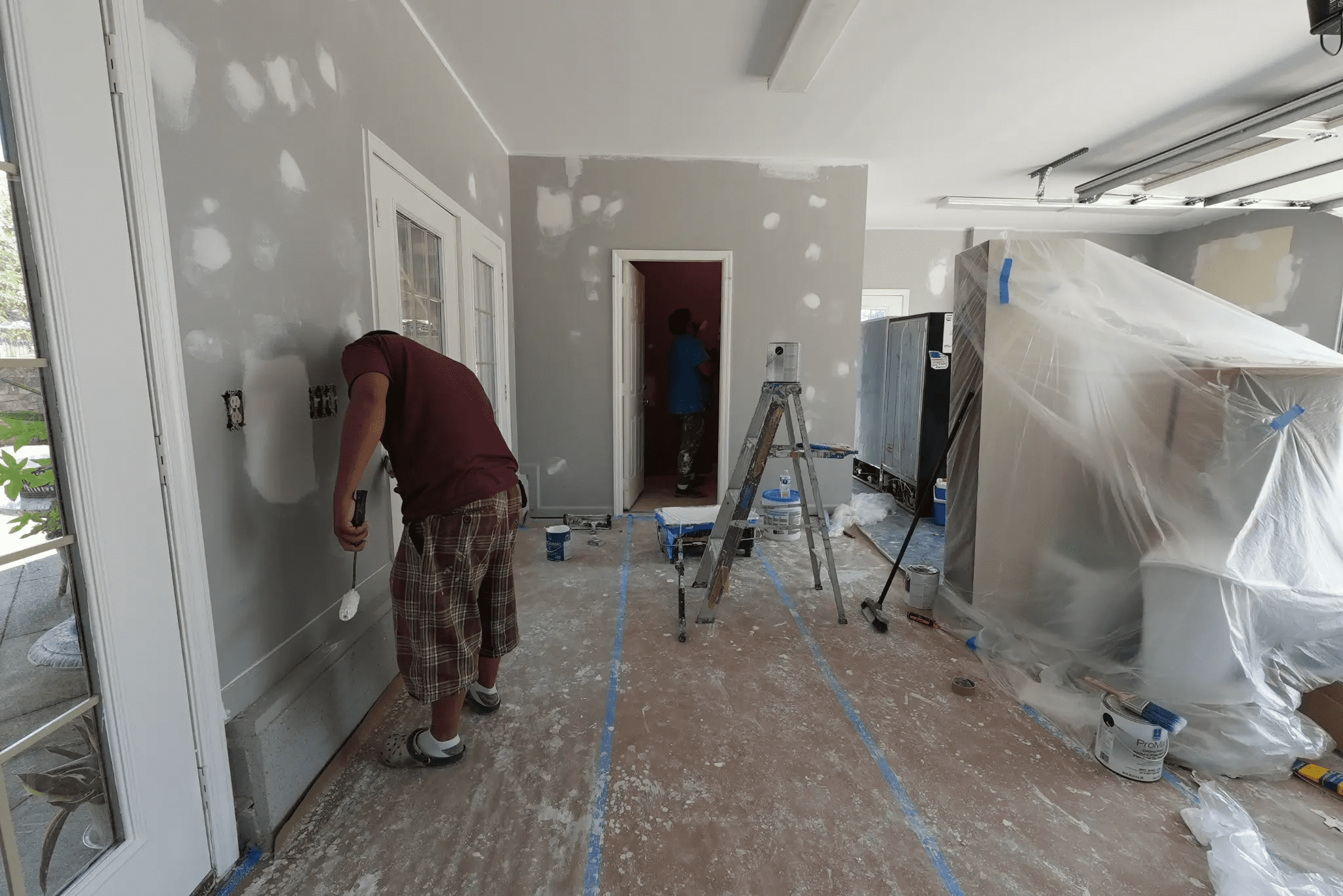
Homeowners often assume a fast-failing paint job means the paint itself was low quality, but the surface prep underneath the coating is usually the deciding factor. Skipping pressure washing, mildew treatment, crack repair or priming on chalking stucco is a common reason coastal and canal-front paint peels within a couple of years. A wall that looks clean can still be holding salt residue and moisture that a quick coat of paint will simply seal in rather than solve. That is why our exterior painting work in exterior painting for Fort Lauderdale homes starts with pressure-cleaning, mildew treatment, crack repair, scraping and priming chalking stucco before any color goes on, so the coating is bonding to a stable, dry surface instead of one that is already compromised.
What Proper Prep and Product Choice Look Like
- Pressure-clean the entire exterior to remove salt residue and surface grime before any prep work continues.
- Treat mildew directly rather than painting over it, since a coating applied on top of active mildew will fail from underneath.
- Fill cracks and repair damaged sections of stucco or siding so moisture has fewer entry points once the wall is painted.
- Scrape loose or failing paint back to a sound surface instead of coating over it.
- Prime chalking or porous stucco so the topcoat has a stable surface to bond to.
- Apply Sherwin-Williams paint suited to the surface and exposure, timed around dry weather rather than a fixed schedule.
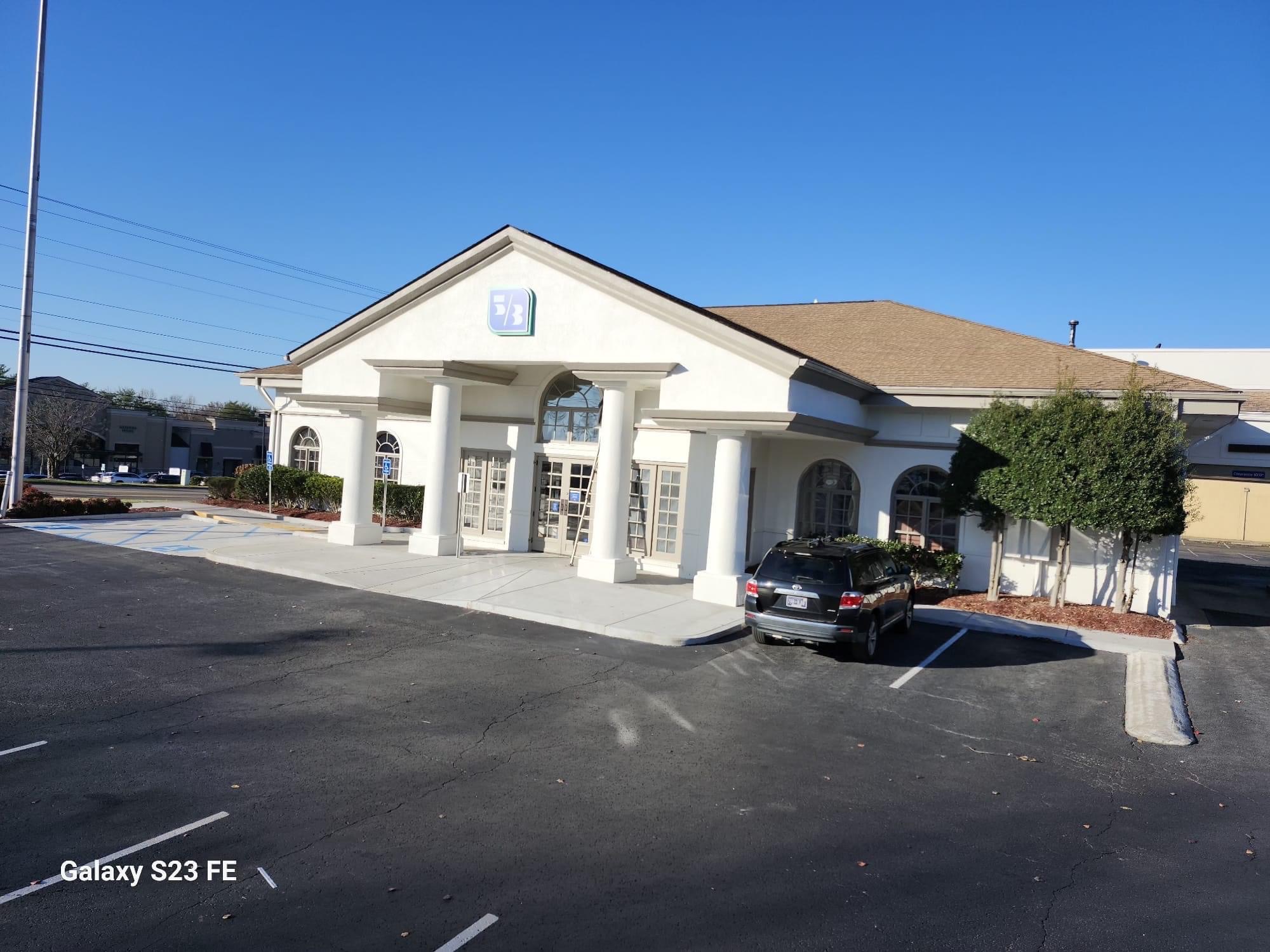
On commercial buildings across Broward County, stucco, brick, metal and concrete exteriors can also get elastomeric coatings and waterproofing treatments, which are built to bridge hairline cracks and resist the same wind-driven moisture that causes peeling on homes. That option is part of our commercial exterior painting services for offices, retail buildings, restaurants and other properties that need a coating built for constant sun and humidity exposure.
Frequently Asked Questions
Does peeling paint mean I need to repaint the whole exterior?
Not always. Isolated peeling near flashing, fasteners or a specific wall exposed to wind-driven salt may be a localized prep or moisture issue. Widespread blistering across multiple walls usually points to a broader prep gap and is a better candidate for a full repaint with proper prep built in.
How long should new exterior paint last near the coast?
Near the ocean, expect a good exterior job to last roughly 5 to 7 years, and less without proper prep, since salt air, humidity and sun are working against the coating from the day it is applied. A job that skips pressure washing, mildew treatment or priming on chalking stucco is far more likely to peel within a couple of years than one that starts with thorough prep.
What's the best time of year to repaint an exterior in South Florida?
Dry windows between winter and early-spring fronts tend to be the most reliable for exterior work. In summer, painting after the morning dew lifts and finishing before the typical afternoon storm helps keep new paint from being washed off a wall before it has time to cure.
Does my HOA affect how a peeling exterior gets fixed?
HOA rules can affect which colors and finishes are approved and how often a repaint is expected, but they do not change what the wall needs underneath. Proper pressure washing, mildew treatment and priming still matter regardless of which HOA-approved color goes on top.
If your exterior is showing early signs of peeling, blistering or persistent mildew, schedule your free estimate today so we can look at what is happening underneath the paint before recommending next steps.