
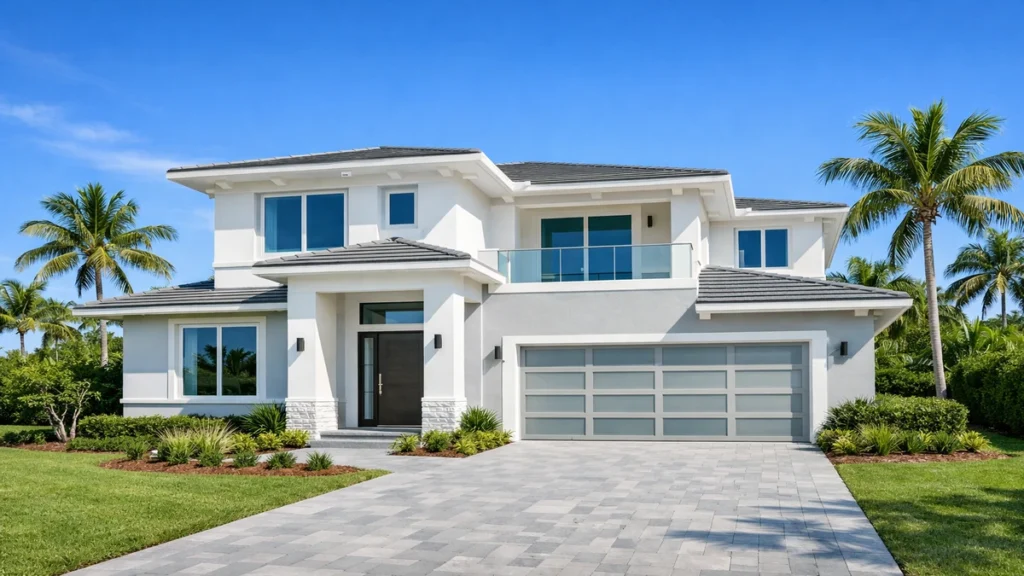
If you’re searching for exterior paint in Cooper City, FL, there’s a good chance you’re staring at a wall that should still look “new,” but doesn’t. Maybe you see peeling paint, fading, or a chalky film only a couple of years after a repaint. You’re not imagining it. Cooper City FL homes can fail early because our weather is hard on coatings—especially in Broward County where high humidity, intense sun, and frequent rain team up.
This guide explains why exterior paint fails, what “early failure” looks like, and what Cooper City homeowners can do to make an exterior paint finish last longer the next time you schedule exterior painting in Cooper City.
What “exterior paint failure” looks like (before it gets ugly)
An exterior paint failure rarely starts with a dramatic peel. It usually shows up as small warnings on the paint surface:
- Loose paint at edges and trim
- A powdery residue (often called chalk or chalking)
- Small blisters (blistering) after a hot afternoon
- Hairline cracking, including cross grain cracking on wood
- “Sheet” peeling, sometimes called paint peeling or intercoat peeling
- Rust bleed-through on metal, if primer was skipped
These issues are often blamed on the brand, but the real culprit is usually moisture, prep, or application timing.
The #1 reason paint fails in Cooper City: moisture (even when the wall feels dry)
Moisture is the most common driver of paint failure in humid climates. And the tricky part is that a surface can feel dry while still holding excess moisture underneath. That moisture can move from inside to outside walls, especially around bathrooms and even laundry rooms.
This is a documented mechanism, not just a theory. Purdue University Extension explains that when water vapor moves through a wall and condenses, “the water eventually soaks into the siding and wets the paint”—and notes this problem is often worse around bathrooms, laundry rooms, and other high-humidity areas, exactly as it plays out in South Florida homes.
— Source: Purdue University Extension, “Paint Failure Problems and Their Cure”
Common ways water gets behind a paint coat:
- Leaks at joints, windows, and door frames (doors)
- Cracked caulk lines and small gaps
- Sprinklers hitting siding daily
- Wind-driven rain that soaks porous materials
A “dry” wall and a “dry enough to paint” wall are two different things—moisture trapped below the surface is invisible until the first hot afternoon turns it into a blister.
When moisture pushes outward, it can create blisters. Those moisture blisters can show up within hours of painting under heat. Over time, they break the paint film and the wall starts to peel.
In coastal exposure, salt air and salt deposits can also speed up failure. In some humid areas, paint can fail within 2–3 years if conditions and prep are poor.
Florida’s coastal exposure is well-documented in materials research. NASA’s Kennedy Space Center corrosion testing program, which has tracked atmospheric conditions at a Florida beachside site since 1995, records monthly chloride deposition rates alongside humidity and UV data—the same combination of salt, moisture, and sun that speeds up coating failure on homes well inland of the immediate coastline.
— Source: NASA Kennedy Space Center, “Atmospheric Site Data — Corrosion”
The “silent” reason: skipped surface preparation
If there’s one non-negotiable step in any painting project, it’s surface preparation. Skipping prep is a common reason a fresh finish doesn’t last. Proper prep can extend paint life by a decade. Under normal conditions, paint can last up to 10 years when the surface is stable and the coating is properly applied.
The gap between a 2-year repaint and a 10-year repaint almost never comes down to the paint can—it comes down to whether prep was done right the first time.
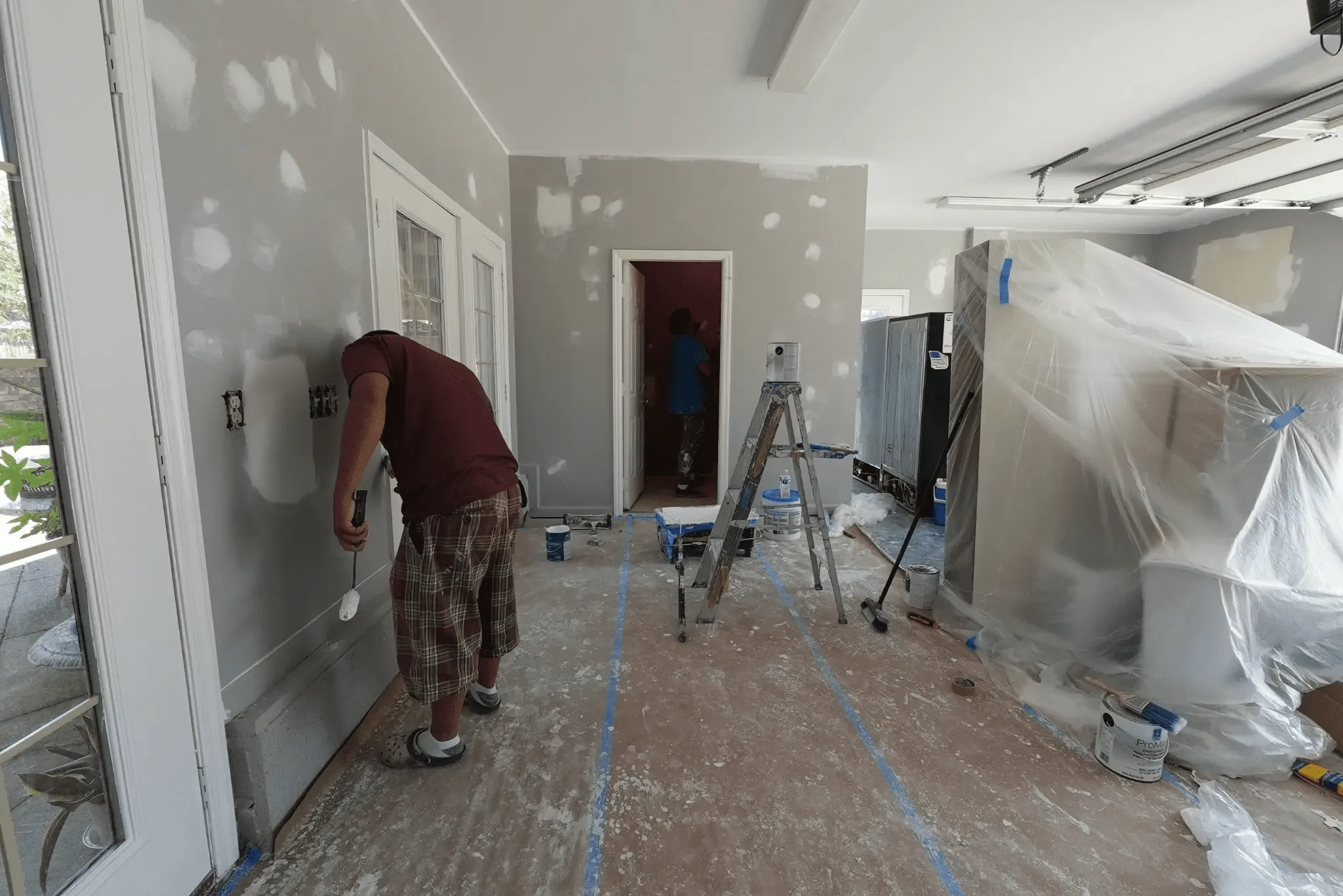
Solid prep usually includes:
- Power washing with the right mix and clean water
- Removing dirt, mildew, and water soluble materials
- Scraping and sanding away old paint and weathered paint
- Tightening up trim and doing surface repairs
- Priming exposed spots like bare wood
If you paint over grime or chalk, you get a weak bond. That weak bond shows up later as peeling, flaking, or uneven wear.
Sun and temperature swings break coatings down faster than you think
Cooper City sun is no joke. UV exposure breaks down binders in paint. That leads to fading and a thinner, weaker surface. Humidity also affects cure time. High humidity can prevent paint from curing correctly, leaving the film softer and easier to damage.
Temperature matters too:
- Painting in extreme heat can cause fast drying, lap marks, and poor leveling.
- Painting in cold weather can stop proper curing and reduce adhesion.
In short: weather conditions decide whether paint will lock onto the wall or just sit there until it fails.
Wrong products (or low-quality paint) can speed up cracking and peeling
Using the wrong coating for the substrate is another common cause of early cracking. Some products are too rigid for certain siding or wood movement. Low-quality paint may also have fewer binders and pigments, which can mean faster fading and cracking.
A coating that’s too rigid for a surface that naturally expands and contracts is set up to crack from day one—no amount of skill in application can fix a product mismatch.
This is where a professional plan helps: matching primer and topcoat to siding, wood, masonry (brick), or metal so the coating can expand and contract without breaking.
How to stop exterior paint failure: a practical checklist
If you want your next paint job to last, focus on the steps that protect paint adhesion.
1) Start with prep that’s built for humidity
Good surface prep is more time-consuming, but it prevents early failure. Expect:
- Power washing
- Scraping/sanding
- Repairs
- Prime where needed (primer and priming are not optional on bare or stained areas)
2) Fix moisture entry points first
Paint is not a waterproofing system. Seal gaps, repair damaged trim, and address leaks before you repaint. If you ignore moisture, you’re repainting twice.
3) Apply under the right conditions
Choose days with lower humidity and no rain on the schedule. Avoid coating hot walls in direct sun when possible.
4) Protect the home during the project
A professional crew will protect landscaping and surfaces, move or cover furniture, and keep things clean. It’s not just neatness. It prevents contamination that can ruin a finish.
5) Use an exterior system, not “whatever’s on sale”
A good system means the right primer plus a topcoat designed for Florida exposure. It’s the difference between repainting in 2–3 years and getting closer to that 10-year mark.
A matched primer-and-topcoat system isn’t an upsell—in Cooper City’s climate, it’s the difference between a job that holds for years and one you’re paying to redo.
Should you DIY or hire exterior painting services in Cooper City?
DIY can work for a single room touch-up or a small, shaded section. But full exteriors in this climate punish shortcuts. Painters who do this every day know how to read moisture, time the work, and choose products that cure correctly.
If you’re comparing exterior painting services or painting services, ask contractors to explain their prep, their moisture plan, and how they avoid trapping water under the coating. That’s where durability lives.
“At PaintProFL, we walk every Cooper City home the same way: check for moisture before we ever open a can. A beautiful finish over a damp wall is just a blister waiting to happen—so we fix the cause, not just the surface.”
— The team at PaintProFL
For cooper city homes, PaintProFL offers exterior painting services with transparent pricing and a free estimate. Request your free estimate here.
Frequently asked questions
1) Why does exterior paint fail faster in Cooper City?
Humidity and moisture are the big drivers. Water can enter through joints, hairline gaps, or behind siding, then push outward and cause blistering and peeling.
Sun and UV also break down paint binders, so even a decent coating can fade faster here than in drier climates.
2) What is the most common cause of exterior paint failure?
Moisture. It can come from rain, sprinklers, leaking joints, or even interior humidity moving outward through the wall.
Once moisture gets behind the paint film, it weakens adhesion and starts a chain reaction that ends in peeling.
3) Can paint really fail in 2–3 years in high humidity areas?
Yes. In high humidity and coastal exposure, paint can fail within 2–3 years if the surface was damp, dirty, or poorly prepped, or if the wrong product was used.
The good news is that proper preparation and the right materials can push lifespan much closer to the 10-year range.
4) What are early signs that my exterior paint is failing?
Look for loose paint at trim edges, chalky residue on your hand, small blisters, or hairline cracking. These often show up before major peeling starts.
Catching these signs early can limit how much scraping and repair you’ll need later.
5) How does moisture cause blistering in exterior paint?
Moisture blisters happen when water gets behind the coating and heats up, creating pressure. That pressure lifts the paint surface into bubbles.
Those blisters often pop, then the surrounding paint starts to peel because the bond is broken.
6) What does proper surface preparation include?
Surface preparation typically includes cleaning (often power washing), removing old paint that’s failing, sanding, repairing damaged spots, and priming bare wood or stained areas.
Skipping prep is one of the fastest ways to get early peeling, even with premium paint.
7) Is it okay to paint if the wall feels dry?
Not always. A surface can feel dry while holding moisture underneath, especially after rain or in shaded areas.
Painting over damp material can trap moisture and lead to bubbling, peeling, or intercoat peeling later.
8) What is cross grain cracking?
Cross grain cracking is a pattern of cracking that can show up on wood when the coating becomes too rigid or the substrate moves with moisture and heat.
It’s often tied to product mismatch, age, and exposure, and it usually needs sanding and proper priming before repainting.
9) Does sun exposure in Cooper City affect paint life?
Yes. UV breaks down binders and fades color, which makes the coating thinner and less protective over time.
Sun plus humidity is a tough combo, so product choice and application timing matter a lot.
10) How do I get a free estimate for exterior painting in Cooper City?
You can request a free estimate directly from PaintProFL. A good estimate should include prep steps, repairs, primer plan, and the number of coats.
Ask about moisture checks and how they prevent early exterior paint failure, since that’s the main reason repaints don’t last in this area.
Want the finish to actually hold up this time? Schedule your free consultation with PaintProFL and we’ll check for moisture, walk the prep plan, and give you a transparent estimate before any work begins.