

A step-by-step look at how cabinet painting actually works in Fort Lauderdale kitchens, from door removal through bond-priming and spraying, plus the questions worth asking before hiring a painter.
Cabinet painting in Fort Lauderdale works best as a controlled, in-place refinish: doors and hardware come off, every surface is cleaned and sanded, a bond primer goes on, then enamel is sprayed in a contained setup before everything is reassembled. Done this way, a kitchen gets a new look without the cost or mess of a full cabinet replacement. The process matters more than the color chip, because humidity, grease buildup and old factory finishes in South Florida kitchens can all cause peeling if a step gets skipped.
What Actually Happens During a Cabinet Repaint
A cabinet repaint is not a quick roll-and-go job. It is closer to a small factory finish built on-site, and each step exists to solve a specific problem that South Florida kitchens create.
Removing Doors and Hardware
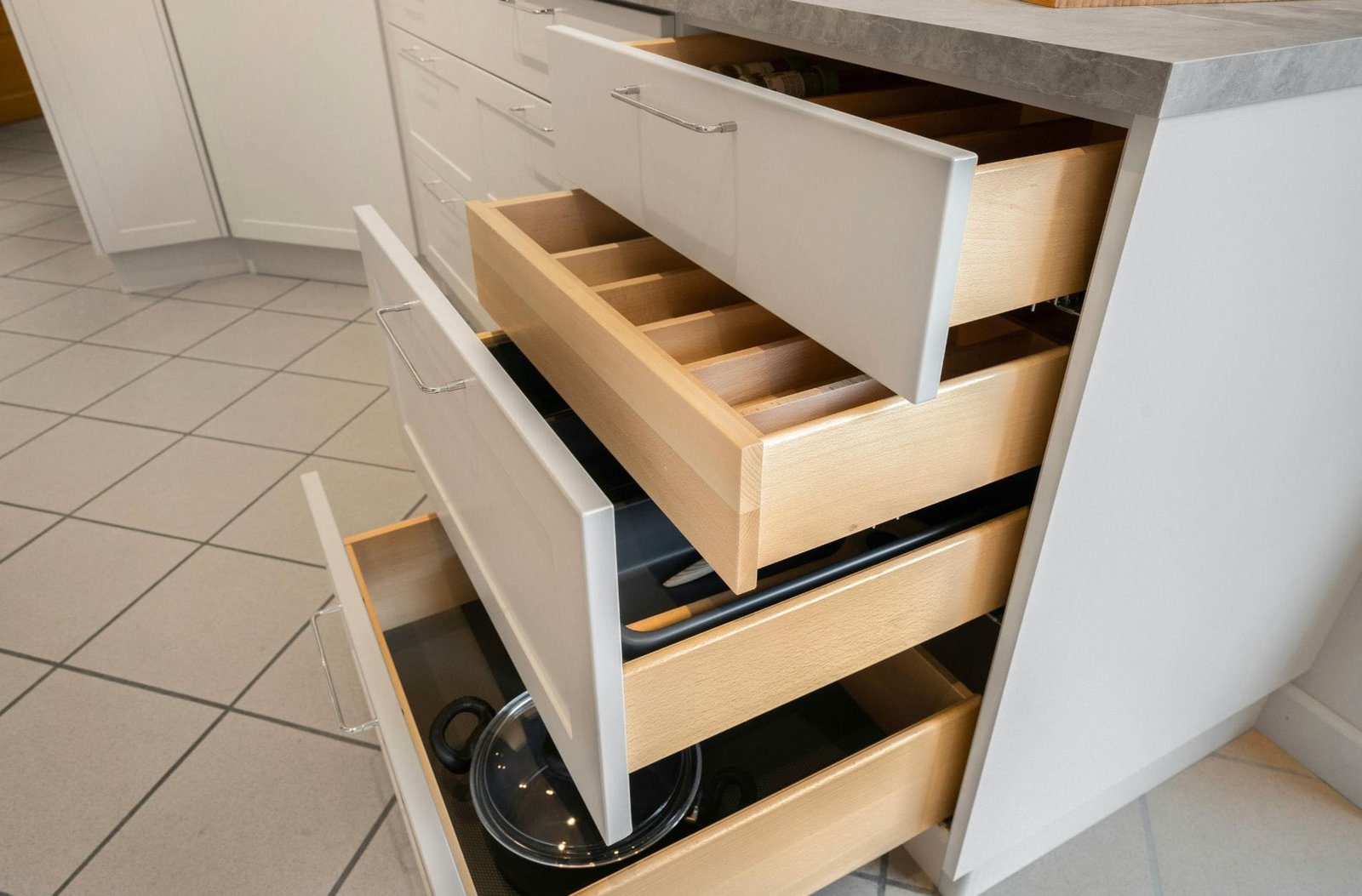
Doors, drawer fronts, and hardware are taken off the boxes first. This lets the painter lay each piece flat, coat it evenly on both sides, and spray a smooth finish that would be hard to get with the door still hanging. Hinges, pulls, and screws are typically bagged and labeled by location so the kitchen goes back together the way it came apart.
Cleaning and Degreasing
Kitchen cabinets collect cooking grease, dust, and handprints on top of whatever finish is already there. Paint will not bond to a greasy or waxy surface, so every panel gets cleaned and degreased before any sanding starts. Skipping this step is one of the more common reasons a cabinet finish fails early, since paint can look fine going on and still lift later if the surface underneath was never fully clean.
Sanding for a Bondable Surface
Factory finishes, old paint, and sealed wood are all smooth and slick on purpose, which is exactly what makes them hard for new paint to grip. Sanding scuffs that surface so primer has something to hold onto. This step also levels out minor dents or wear marks so the final coat doesn't telegraph old damage.
Bond-Priming Before Color
A bonding primer is applied after sanding to seal the surface and give the enamel topcoat a stable base. This is a different product than a wall primer, chosen specifically because cabinets get touched, wiped, and bumped far more than a wall ever does. The primer stage is also where a painter can address stains, old wood tones bleeding through, or uneven color between doors made of different materials.
Spraying the Enamel Finish
The topcoat is sprayed, not brushed, in a contained setup away from dust and foot traffic. Spraying lays down a thinner, more even film than a roller or brush can, which is what produces the smooth, factory-style look homeowners are usually after. Enamel is used because it holds up to the daily contact cabinets take from hands, dishes, and cleaning.
Reinstalling Doors and Hardware
Once the finish has cured enough to handle, doors and drawer fronts go back on their original boxes, and hardware is reattached. A painter working carefully through the removal and labeling steps earlier makes this stage straightforward instead of a guessing game about which door belongs where.
What to Judge a Cabinet Painter On
Since cabinet painting lives or dies on prep rather than the paint itself, the questions worth asking a contractor are mostly about process, not product names.
- How do you prep cabinets before priming? A clear answer should mention degreasing and sanding, not just "light cleaning."
- What primer and finish do you use on cabinets? Ask specifically whether it's a bonding primer and a sprayed enamel topcoat, since that combination is built for cabinet-level wear.
- How do you manage humidity and drying between coats? South Florida's moisture levels can slow curing, so ask how the setup accounts for that between the primer and topcoat stages.
- What does your warranty cover, and for how long? Get the warranty terms in writing before work starts, not as a verbal promise.
- Are doors painted in a contained setup or in place? A contained, dust-controlled area generally produces a more even, factory-like finish than painting doors while they hang.
PaintPro South Florida's cabinet painting and refinishing service follows this same removal, sand, bond-prime, and spray sequence, with every residential project backed by a written 2-year warranty on labor and materials. The team also handles interior and exterior painting and deck and fence staining for homeowners across Fort Lauderdale, Hollywood, Pembroke Pines, Pompano Beach, Deerfield Beach, Coconut Creek and Boca Raton, so the same prep standards carry over if a cabinet project leads to other work in the house.
Frequently Asked Questions
Do cabinet doors need to come off for painting?
Removing doors and drawer fronts lets a painter coat them flat and evenly on both sides, which is harder to achieve with a door still mounted. It also keeps overspray and brush marks away from the surrounding kitchen.
What kind of primer is used on kitchen cabinets?
Cabinets typically need a bonding primer rather than a standard wall primer, since it is formulated to grip slick factory finishes, sealed wood, or old paint before the enamel topcoat goes on.
Is spraying better than brushing for cabinet finishes?
Spraying in a contained setup lays down a thinner, more even coat than a brush or roller, which is why it produces the smooth look most homeowners want for cabinet doors and drawer fronts.
What should a cabinet painting warranty cover?
Ask for the warranty terms in writing before the job starts. PaintPro South Florida backs its residential and commercial projects, including cabinet work, with a written 2-year warranty on labor and materials.
Can cabinet painting cover stains or old wood tones?
The sanding and bond-priming stages are where uneven color, stains, or old wood tones bleeding through get addressed, so the topcoat goes on over a sealed, consistent surface rather than trying to cover a problem with color alone.