






How stucco painting in South Florida should work: wall prep, coating choice, storm-season timing, HOA and commercial scheduling, and what a clear quote lists.
Stucco painting in South Florida works when the wall is pressure-cleaned, treated for mildew, crack-filled and primed before any color goes on, then finished with a coating that flexes and sheds water. PaintPro South Florida builds its exterior stucco work around that sequence and schedules it for dry stretches between afternoon storms.
What Stucco Painting in South Florida Involves
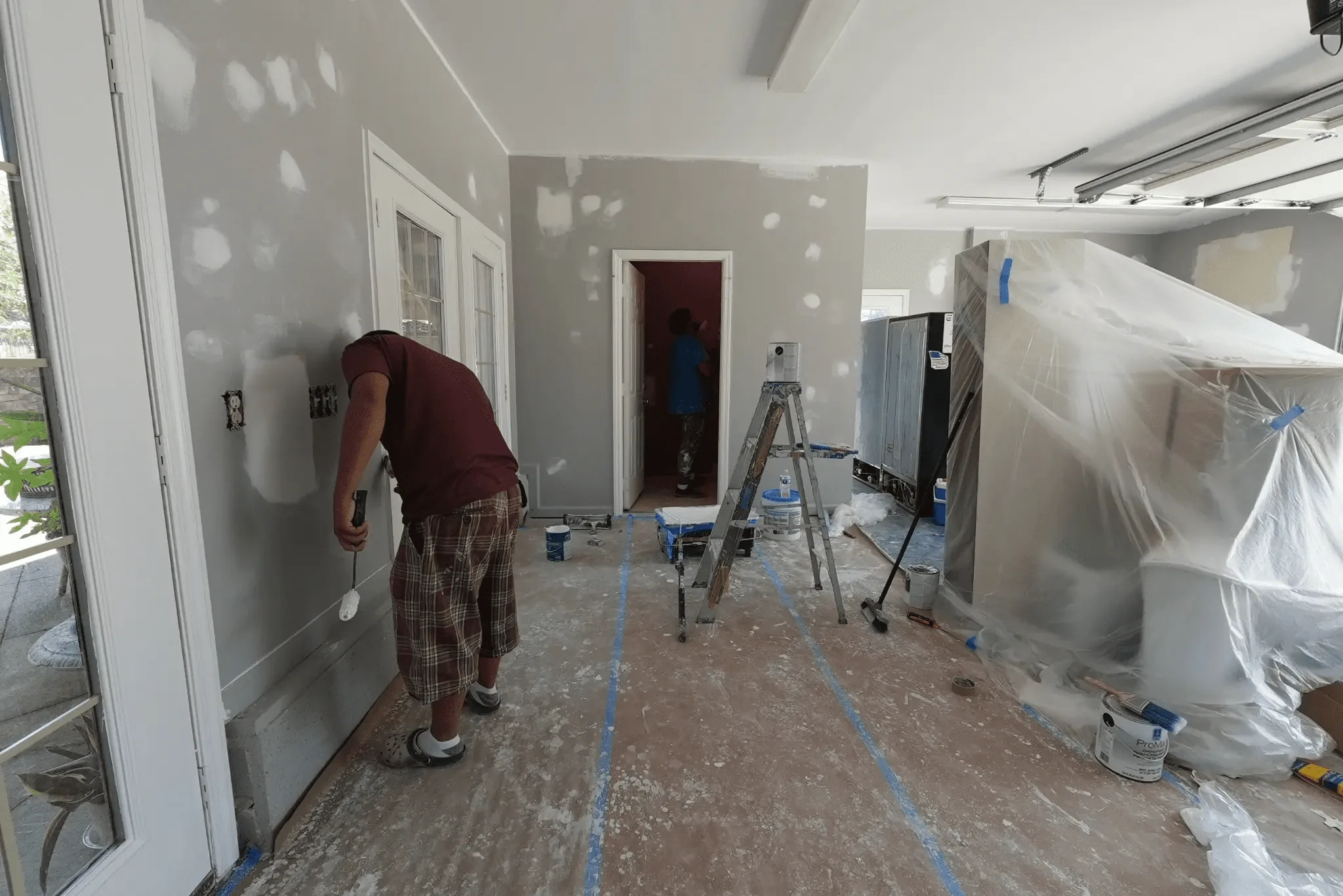
Stucco is a porous masonry surface, so whatever sits on it, whether dirt, mildew or chalk, ends up between the wall and the new paint. That is why the work before the topcoat matters more than the topcoat. On exteriors, PaintPro South Florida's crews follow this order:
- Pressure-clean the wall to remove dirt, salt residue and loose material.
- Treat mildew, which shows up as dark or greenish staining in shaded and damp areas.
- Fill cracks and scrape anything that is flaking.
- Prime chalky stucco so the new coating has something sound to grip.
- Apply the finish coat with Sherwin-Williams premium paint.
Sherwin-Williams makes the same point for masonry in its guide to coating common exterior substrates, which is built around the idea that prep makes perfect: cement-based surfaces are mildew-prone if treated badly, and a quality acrylic masonry primer strengthens resistance to mildew and efflorescence.
Which Coating Fits Stucco: Acrylic or Elastomeric?
Two product families come up for Florida stucco. A quality 100 percent acrylic masonry paint suits sound walls. Elastomeric coatings are thicker and stretch more, so they suit walls with fine cracking. Allstate Waterproofing says in its comparison of stucco paints for Florida that elastomeric bridges small cracks, up to 1/32 inch, which acrylic cannot. Quality Designs Painting adds that stucco is prone to hairline cracks from constant expansion and contraction.
The trade-off is that a thick film hides less forgiveness underneath: it will not rescue a wall that was dirty or unprimed. For a closer look at both products, see our comparison of elastomeric versus acrylic paint for stucco and the notes on wall prep for an elastomeric coating. A free estimate is where the actual wall decides which fits.
What Your Stucco Is Telling You
| What you see | Likely cause | What the fix involves |
|---|---|---|
| Powder rubs off on your hand | Chalking: the old film has weathered under UV | Pressure-clean, then prime before the finish coat |
| Dark or green streaks | Mildew in damp or shaded areas | Mildew treatment and cleaning before painting |
| Peeling or bubbling in sheets | Moisture behind the film, or paint applied over dirt | Remove loose coating, find the moisture path, prime and recoat |
| Hairline cracks | Normal movement in masonry | Fill, prime, then a coating that can bridge them |
| Staining under irrigation heads | Sprinkler spray and mineral residue | Clean the stain, and redirect the spray where possible |
| Salt film near canals or the coast | Salt air and canal-front splash | Thorough washing before any primer goes on |
Peeling that spreads across a wall points to a bond problem, not one bad patch. Our post on why house paint fails early in South Florida goes through the common causes.
Timing Stucco Work Around Florida Weather
Fresh paint needs time to set before moisture reaches it. Sherwin-Williams' exterior application FAQ advises keeping temperature in the product's range and above the dew point for at least 48 hours after application, and notes that most products need at least 4 hours of dry time before moisture can settle on the surface. In South Florida that explains why PaintPro schedules exterior work for dry stretches and summer mornings, so an afternoon storm does not wash off a fresh coat.
Stucco adds a second timing question: the wall must be dry enough to take primer. A wall that has held water after a storm should be allowed to dry before work resumes, even if the sky has cleared.
HOA, Condo and Commercial Stucco
Association properties usually need an approved color before a crew can start. PaintPro supplies samples, photos and quotes for a submittal, but approval is between the owner and the board. Our guide to HOA exterior painting in South Florida covers what to have ready.
For offices, retail spaces and apartment buildings, PaintPro offers night and weekend scheduling so the property can stay open. The scope of larger jobs is laid out in our post on commercial exterior painting in South Florida.
What a Stucco Painting Quote Should Spell Out
- Prep listed separately from paint: pressure cleaning, mildew treatment, crack filling and priming.
- The coating named, with the reason it suits the wall.
- How the crew handles salt air, canal-front splash and irrigation stains.
- The schedule around dry weather.
- An itemized quote with no hidden fees, plus the written warranty covering labor and materials for two years.
PaintPro South Florida gives a free estimate and consultation before any quote, and customers who want to pay over time can apply for optional financing through Wisetack as qualified applicants. Our earlier post on what to rank before hiring a stucco painter gives a second way to compare bids.
FAQ: Stucco Painting in South Florida
Can I paint over chalky stucco without priming?
No. Chalk is loose surface material, and paint applied over it bonds to the powder, not the wall. Clean the wall and prime it first.
Should I pressure wash stucco myself?
Be cautious. Strong spray can push water into hairline cracks, and wet stucco has to dry before primer goes on. Crews adjust the washing to the wall's condition.
Does stucco need mildew treatment before painting?
Yes, where dark or green growth shows. Painting over living mildew lets it return through the film, so it is treated and cleaned off first.
When is a crack more than a cosmetic problem?
ELSO Contracting's Florida painting guide says cracks wider than 1/8 inch, horizontal cracks, or cracks that open and close seasonally may indicate structural movement and should be evaluated before painting. Read our notes on stucco crack repair before painting for the ordinary hairline kind, and treat movement cracks as a question for the wall, not the coating.
Related resources
- Elastomeric vs Acrylic Paint for Stucco in Florida: Which Coating Fits Your Walls
- Elastomeric Coating on Stucco in Florida: Fit and Wall Prep
- House Painting in South Florida: Why Paint Fails Early and How to Get a Job That Lasts
- HOA Exterior Painting in South Florida: What to Have Ready Before the Repaint
- What Goes into a Commercial Exterior Painting Project in South Florida
- Stucco Painting in South Florida: What to Rank Before You Hire
- Stucco Crack Repair Before Painting in South Florida
- Stucco Painting South Florida — Fort Lauderdale, FL